

Resend integration
MySQL storage auto-upsize
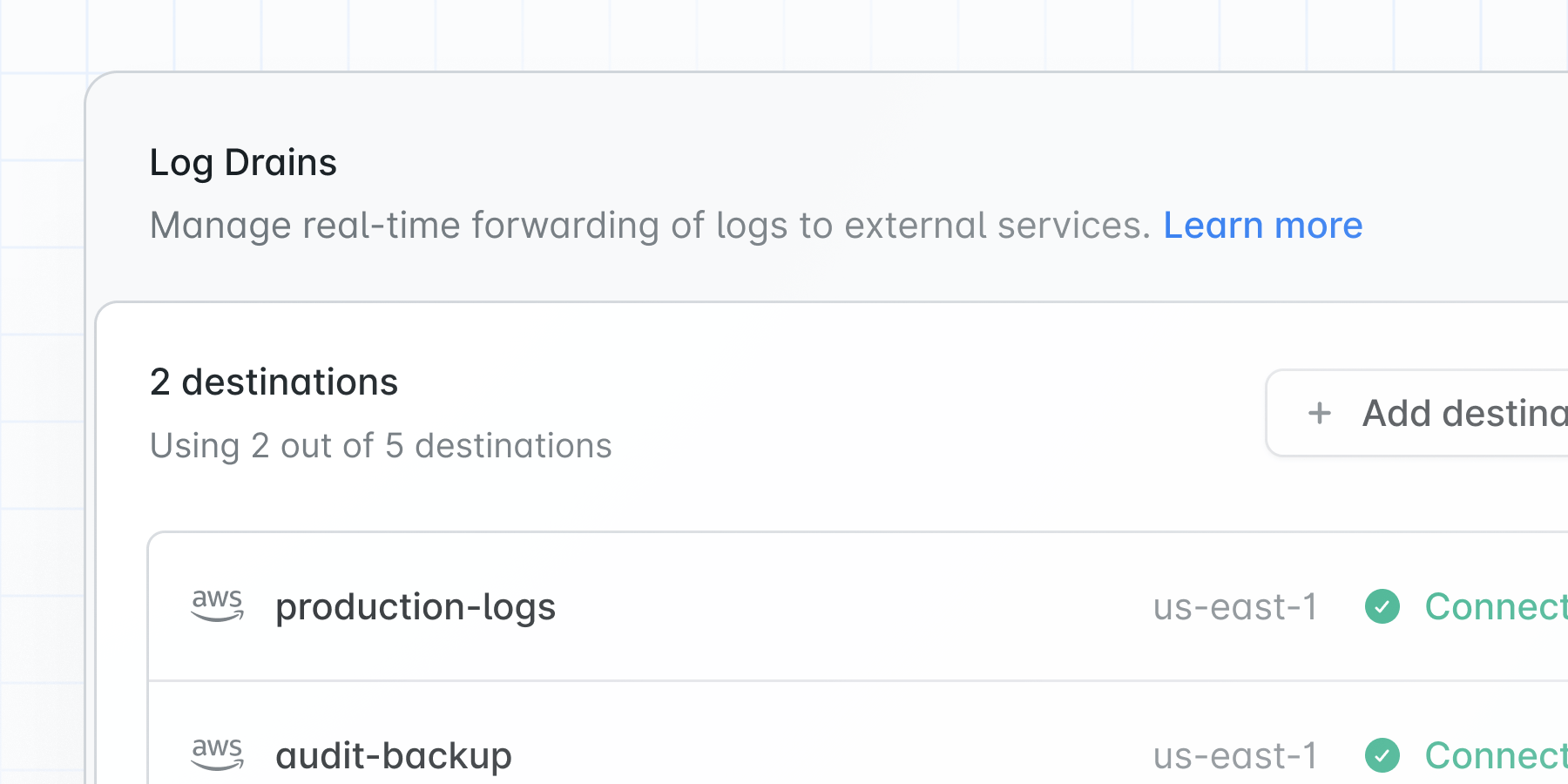
Log drains
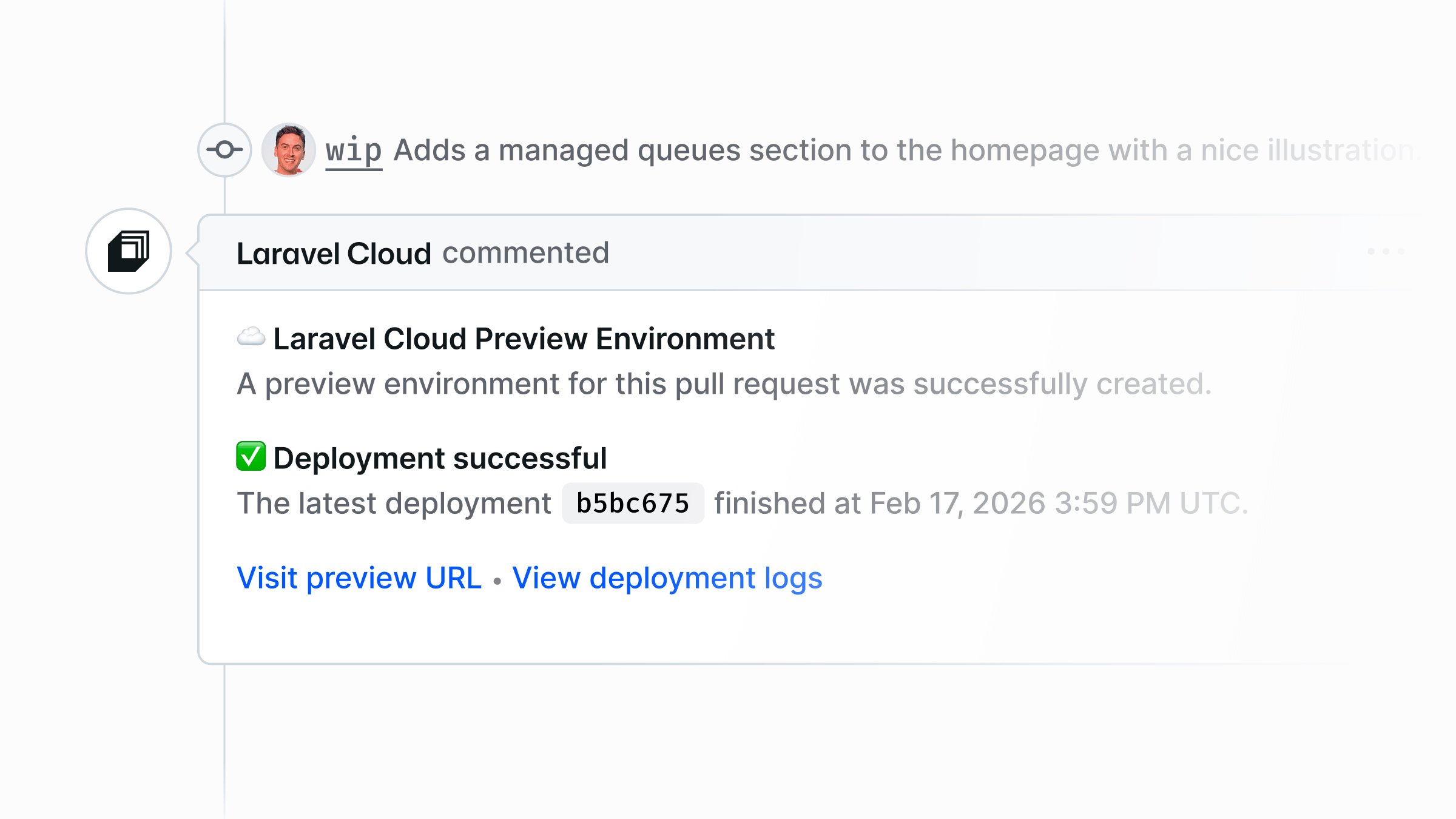
Preview environment improvements
Statamic static caching
Laravel Cloud now supports Statamic’s full-measure static caching. When your application requiresstatamic/cms, Cloud detects it at deploy time and configures NGINX to serve the pre-rendered HTML files in public/static directly. Cached pages never reach PHP. Form submissions and live previews continue to route to your application as usual.To get started, set STATAMIC_STATIC_CACHING_STRATEGY=full in your environment variables and deploy. You don’t need to write any custom NGINX configuration, and applications that don’t use Statamic are unaffected.The static cache lives on each instance’s local filesystem, and each deployment clears it. Statamic invalidates the cache only on the instance that handled a content change, so additional replicas would keep serving stale pages. When you use full-measure static caching, run your App cluster on a single instance by setting its autoscaling strategy to None. To scale vertically, choose a larger instance size instead of adding replicas.Read the Statamic static caching documentation to learn more.Self-hosted GitLab
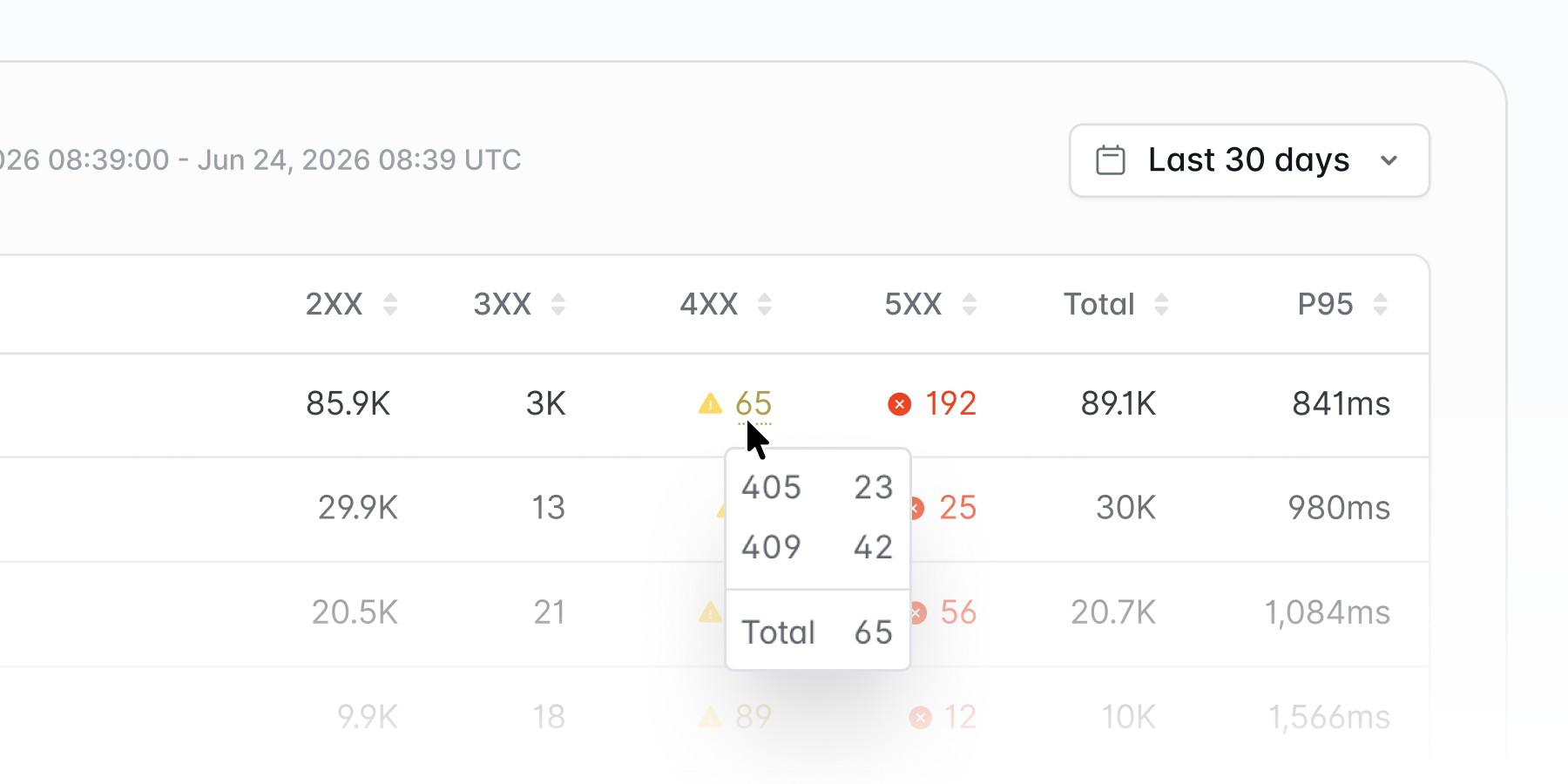
Request metrics
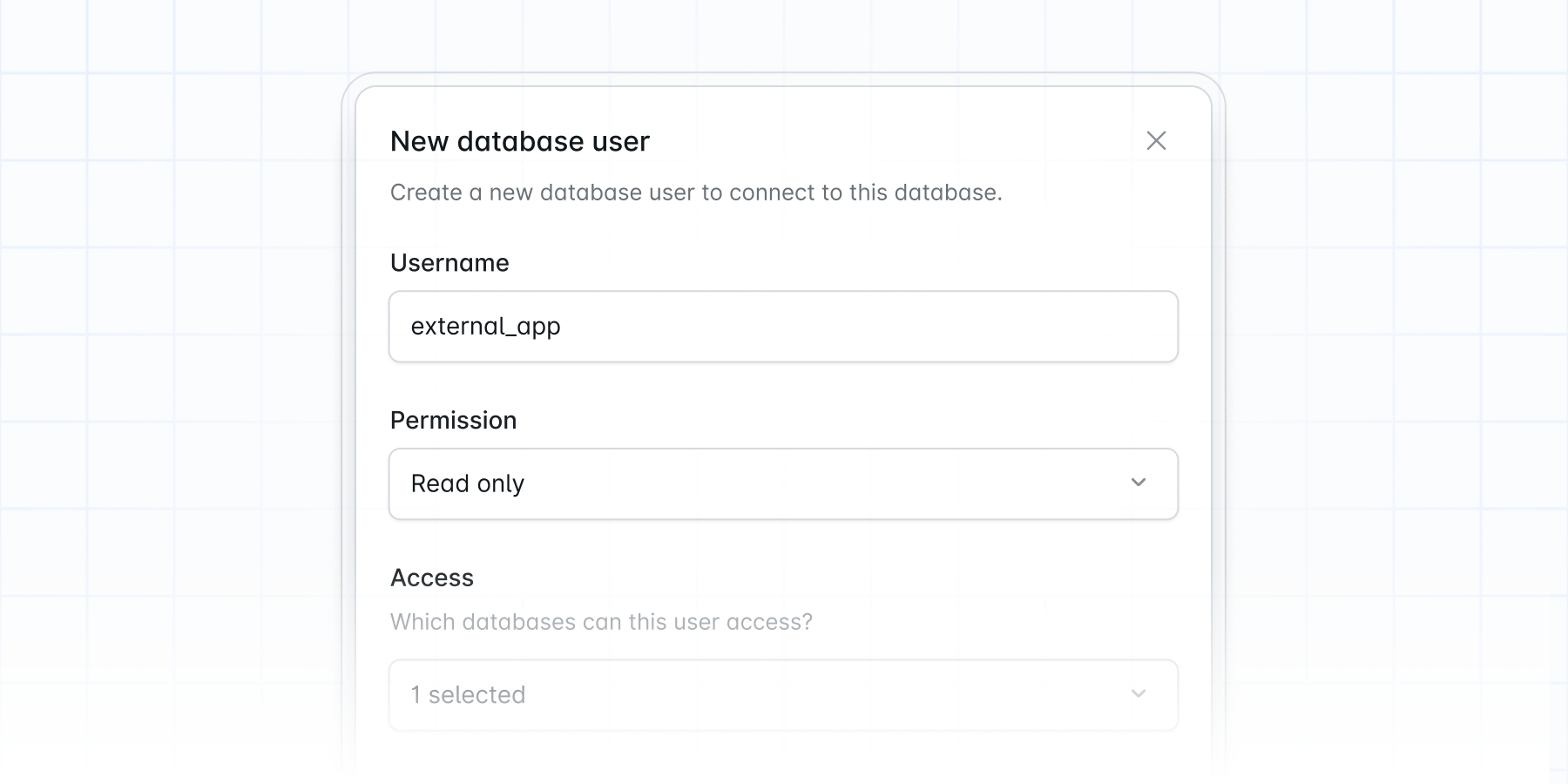
Managed database users
Pre-deploy package checks
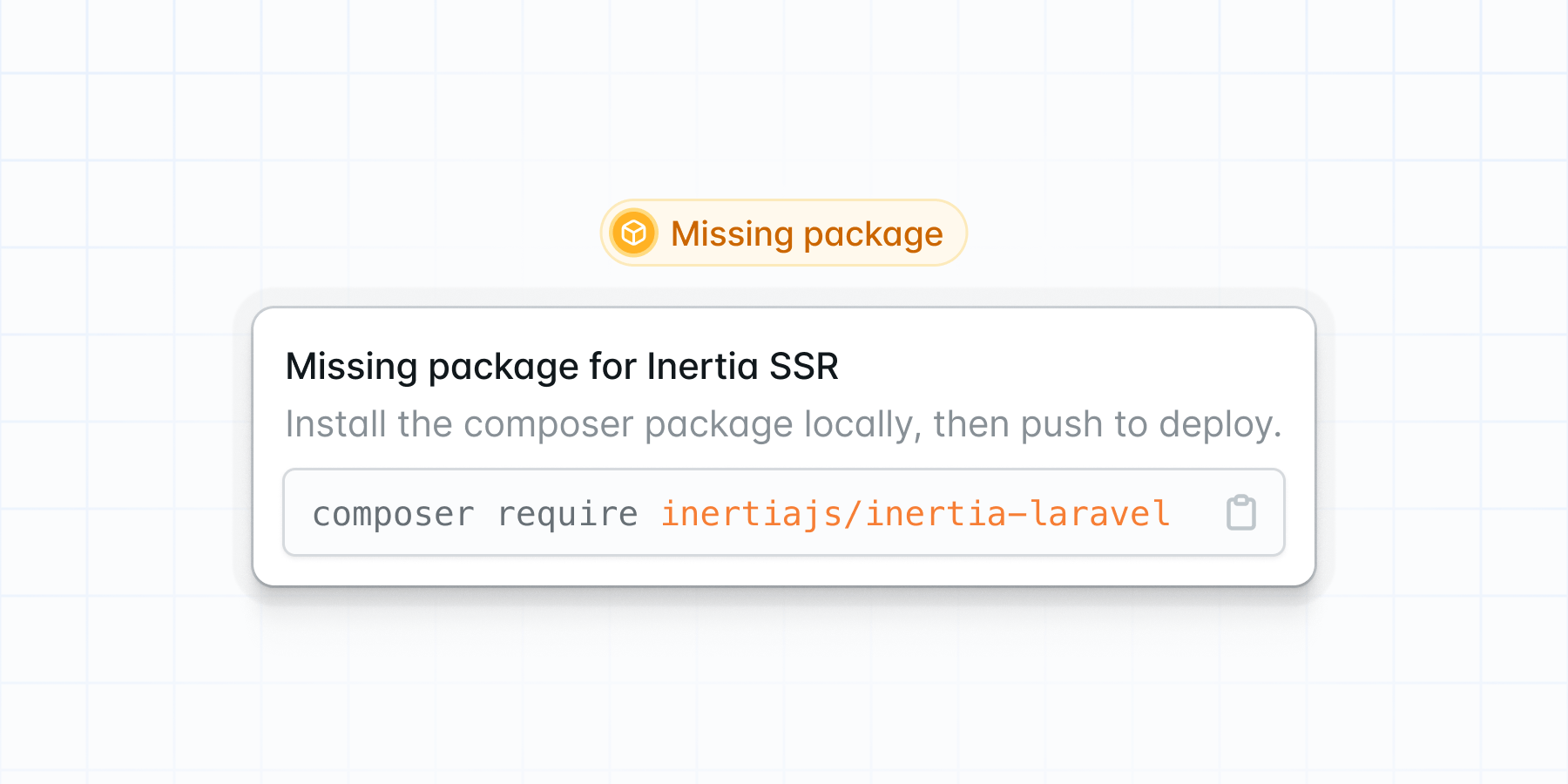
composer.lock on every push, so once you install the package and push, the notice clears without waiting for a deploy to confirm it.Notices appear only for features you’ve enabled, and they do not prevent you from saving changes or starting a deployment.Read the deployments documentation to learn more.Scoped API tokens
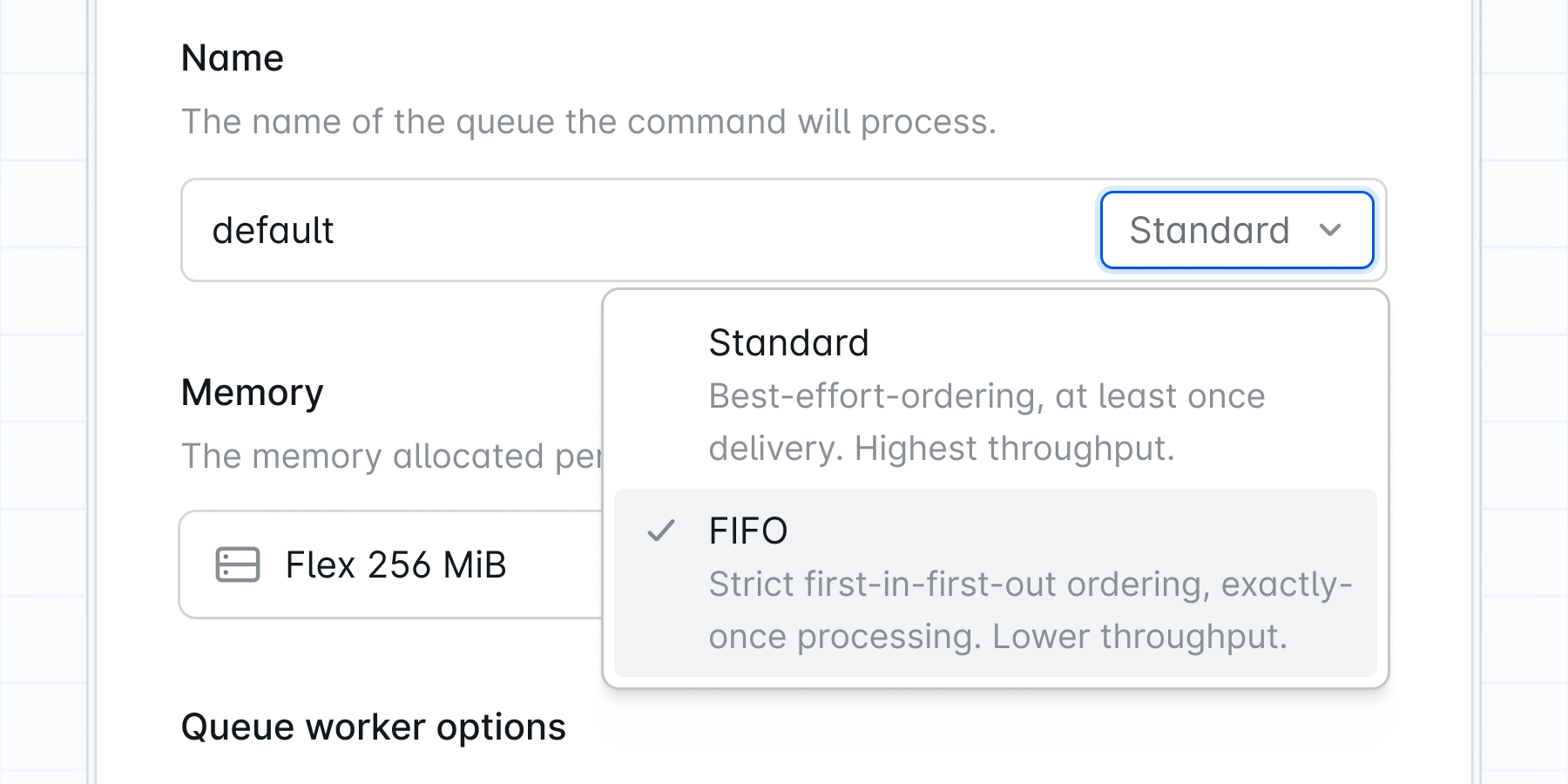
You can now scope organization API tokens to specific permissions and restrict them to an application or individual environments, instead of granting full org-level access. Only organization admins can create tokens, so engineers and agents get exactly the permissions their automation needs and nothing more.Existing tokens continue to work with no changes required. To change what a token can do, create a new one with the scope you need and revoke the old one.Read the scoped API documentation to learn more.Managed queues improvements
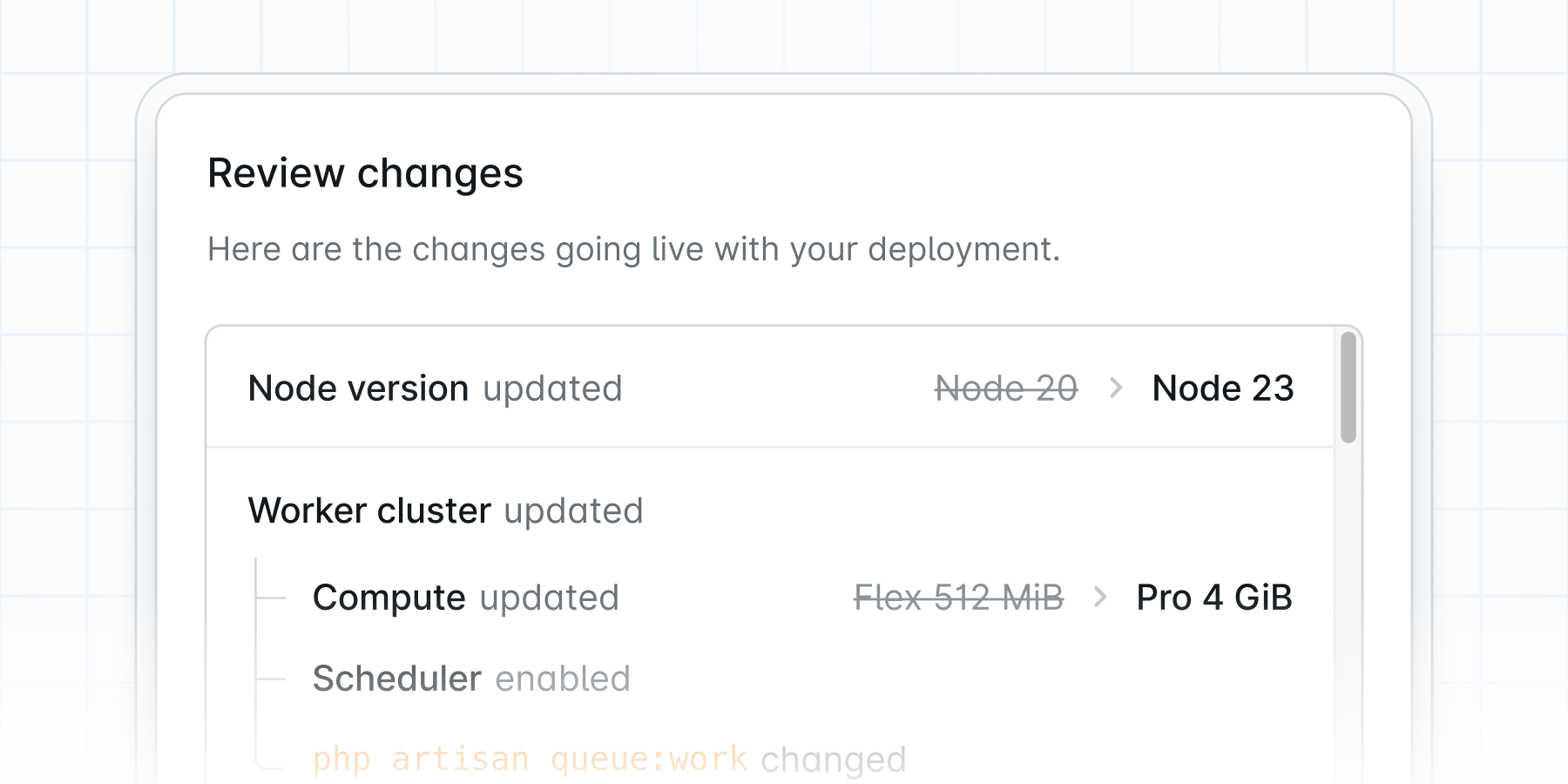
Stage, review, ship
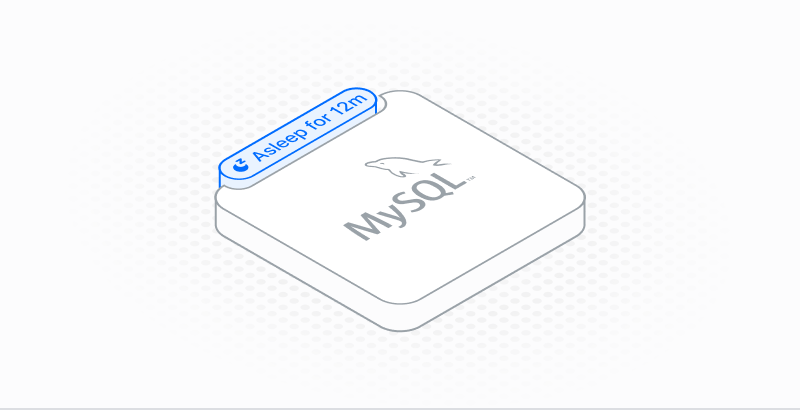
MySQL scale to zero
Secrets Manager
First-class monorepo support
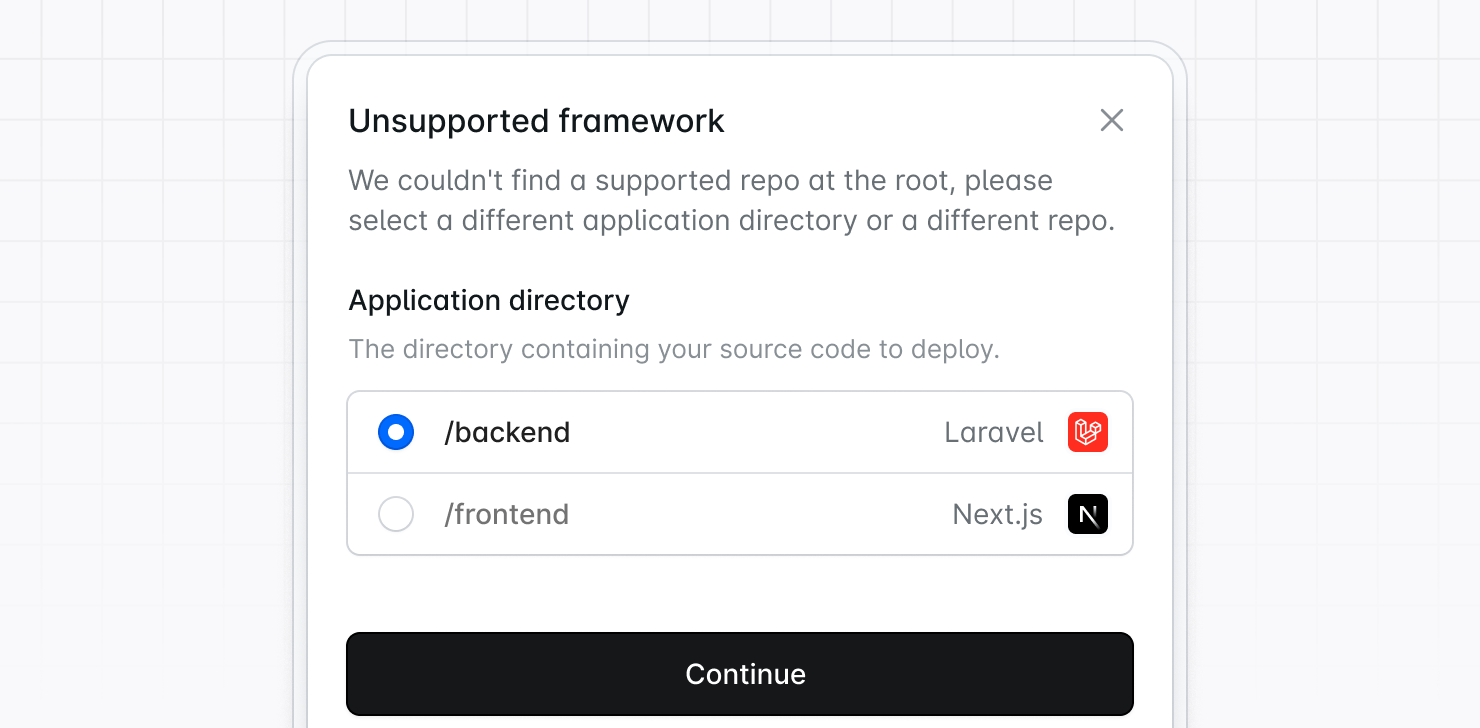
Symfony support
composer.json, detects symfony/framework-bundle, and configures the runtime automatically using php bin/console. You don’t need to change your application’s code.Doctrine (Postgres and MySQL), Symfony Messenger with managed queues support, WebSockets through the Pusher protocol, Laravel Valkey caching, R2 object storage, and preview environments per pull request all work out of the box. When you connect a database resource, Cloud injects DATABASE_URL automatically. Symfony 7.4 LTS and 8.x are supported on PHP 8.2 through 8.5.Read the Symfony quickstart guide to get started.Expanded outbound IP addresses
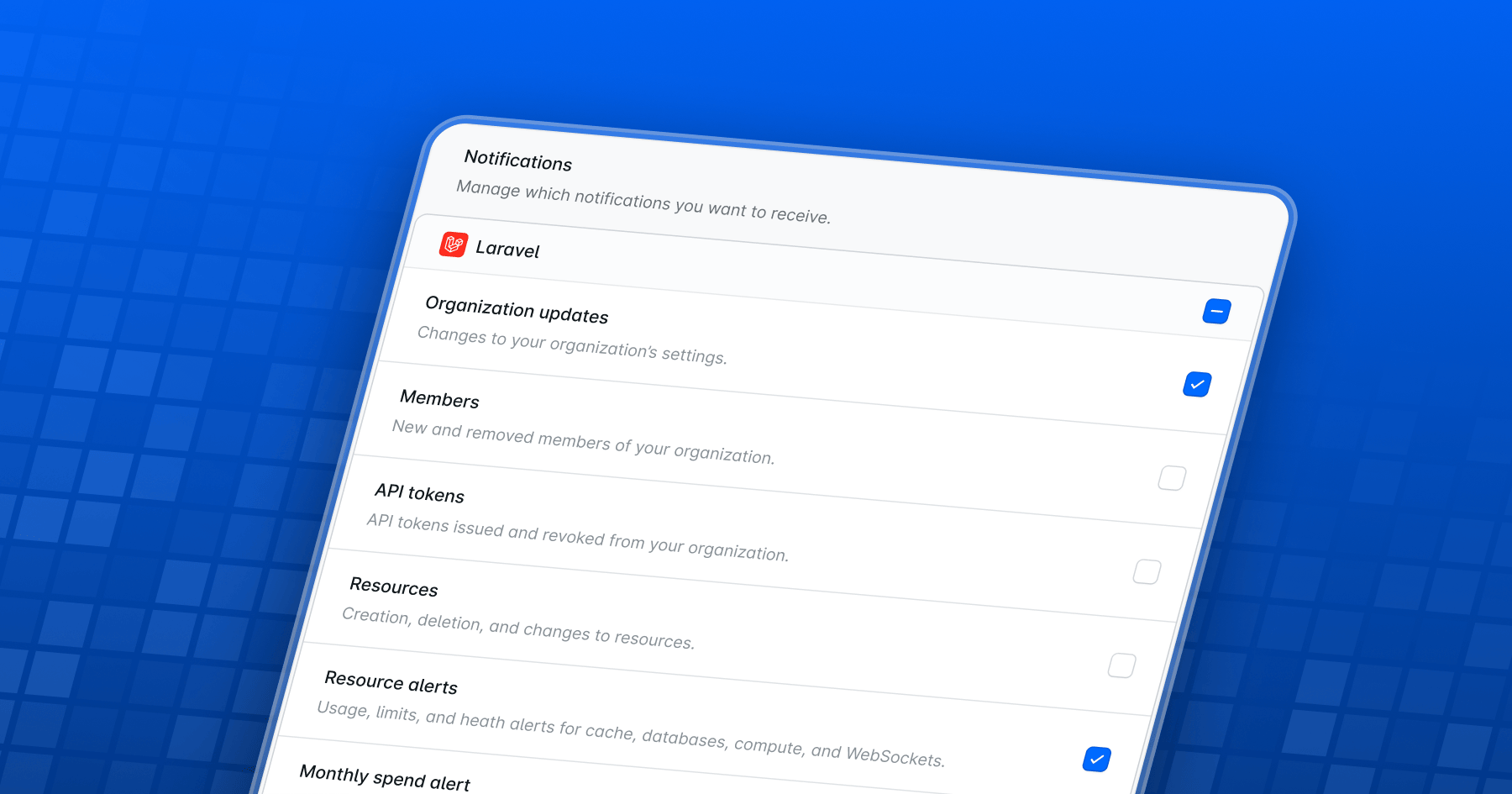
Improved notifications
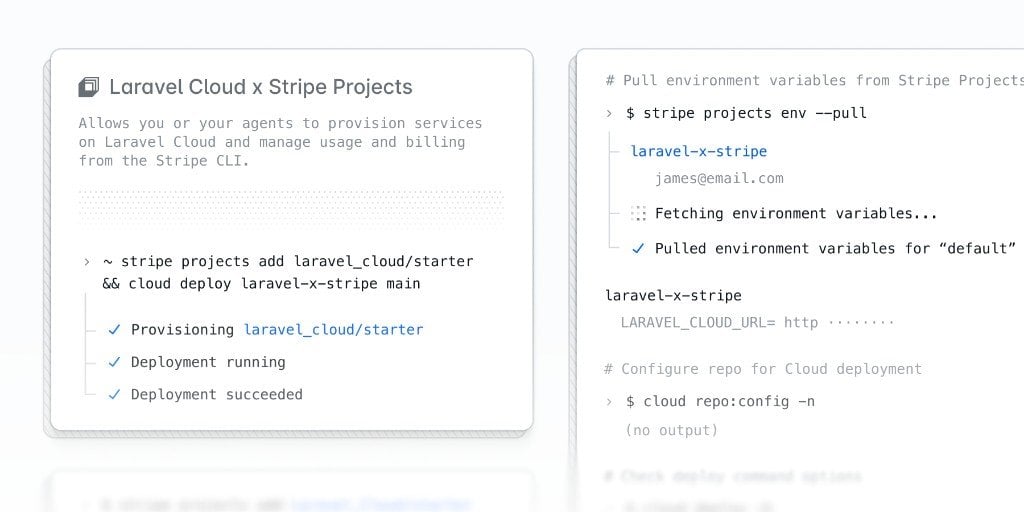
Deploy to Laravel Cloud with Stripe Projects
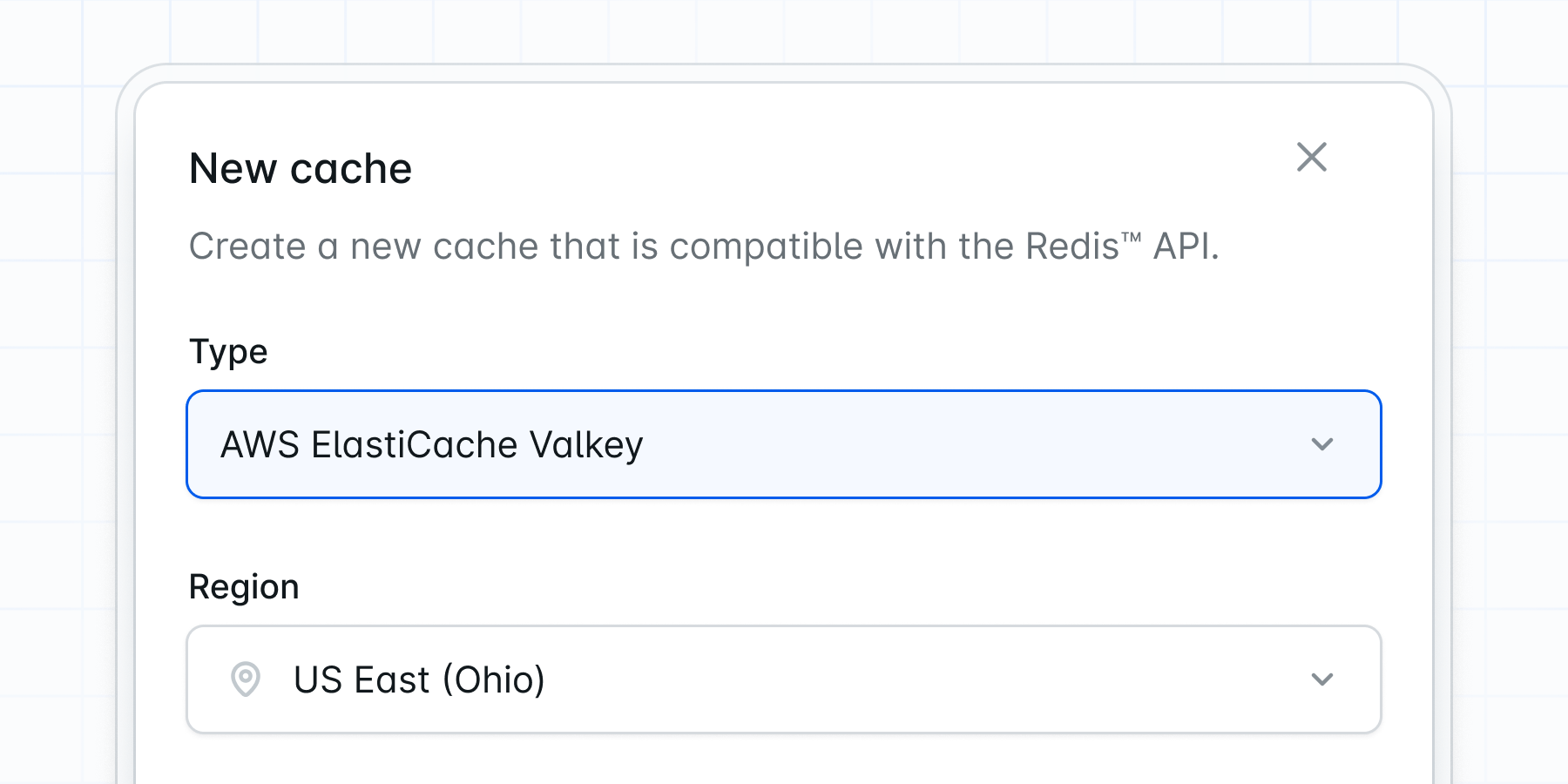
ElastiCache
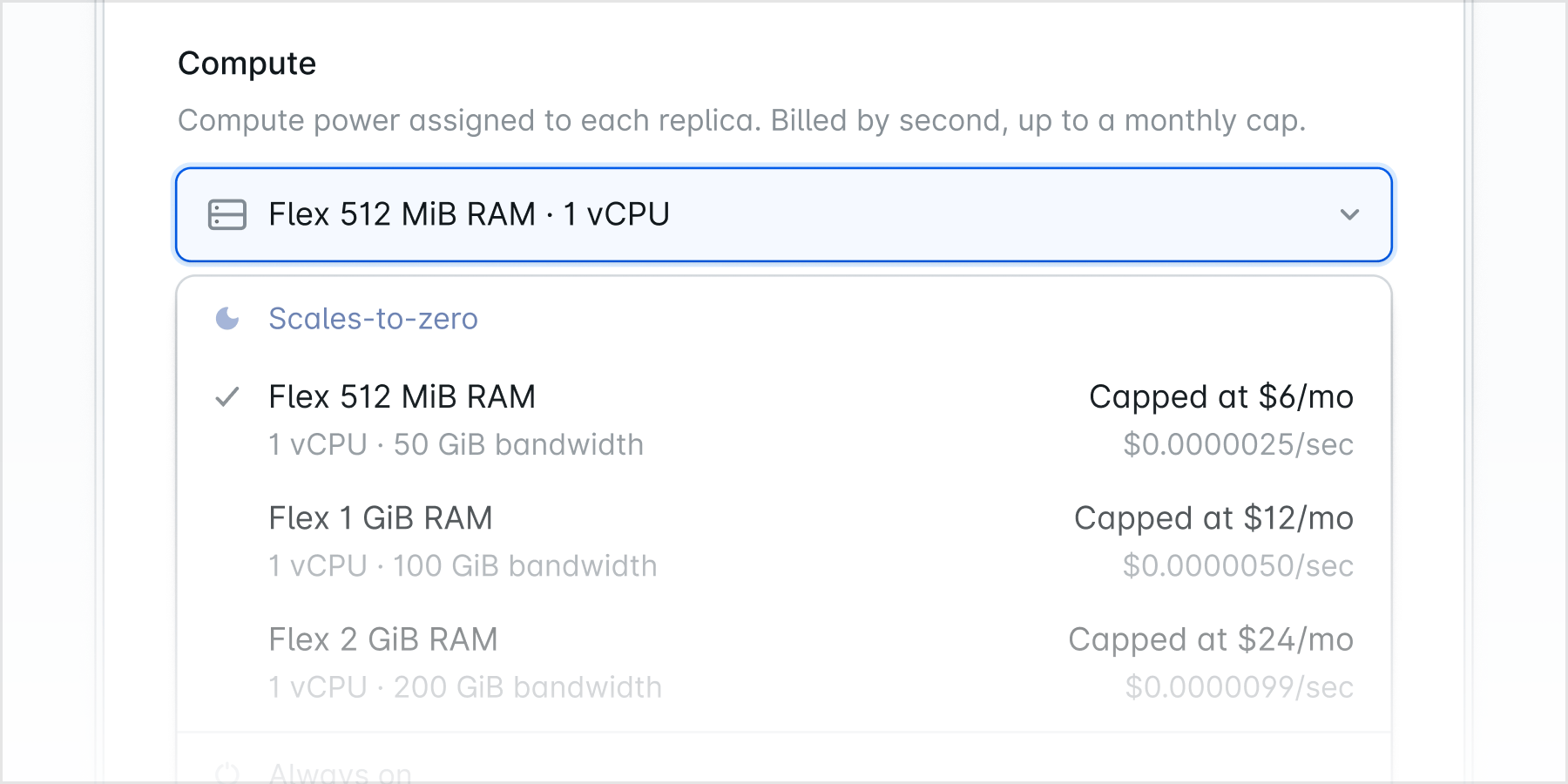
Scale to zero and new pricing
- The new Starter plan is $5/mo with $5 in monthly usage credits and a free first month.
- Every paid plan now includes $5 in monthly usage credits.
- Spending limits let you set a hard monthly cap so your bill never exceeds your budget.
- Custom domains are now counted per organization, with additional domains billed at $0.25 per domain per month.
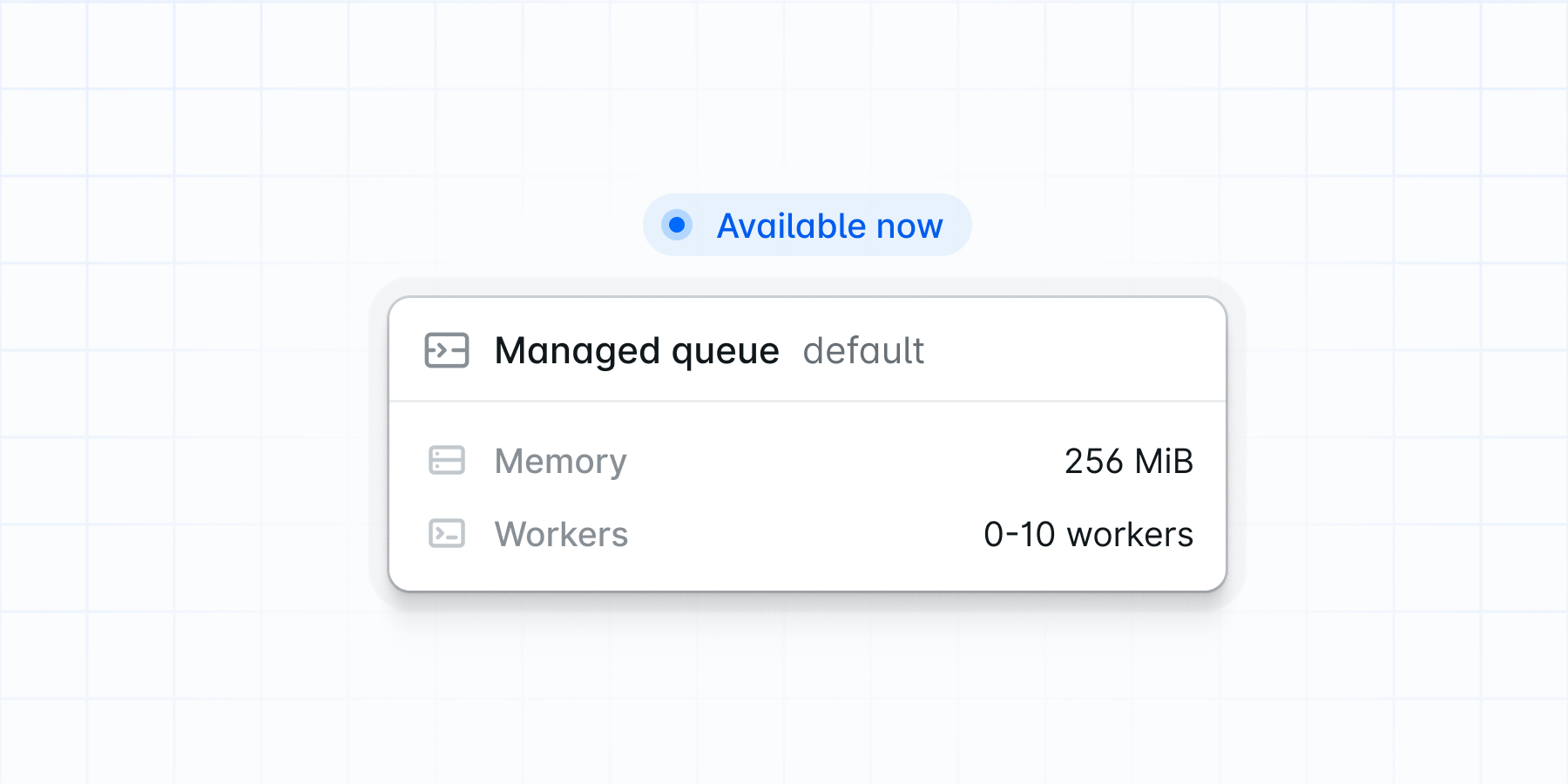
Managed queues
HTTP basic authentication
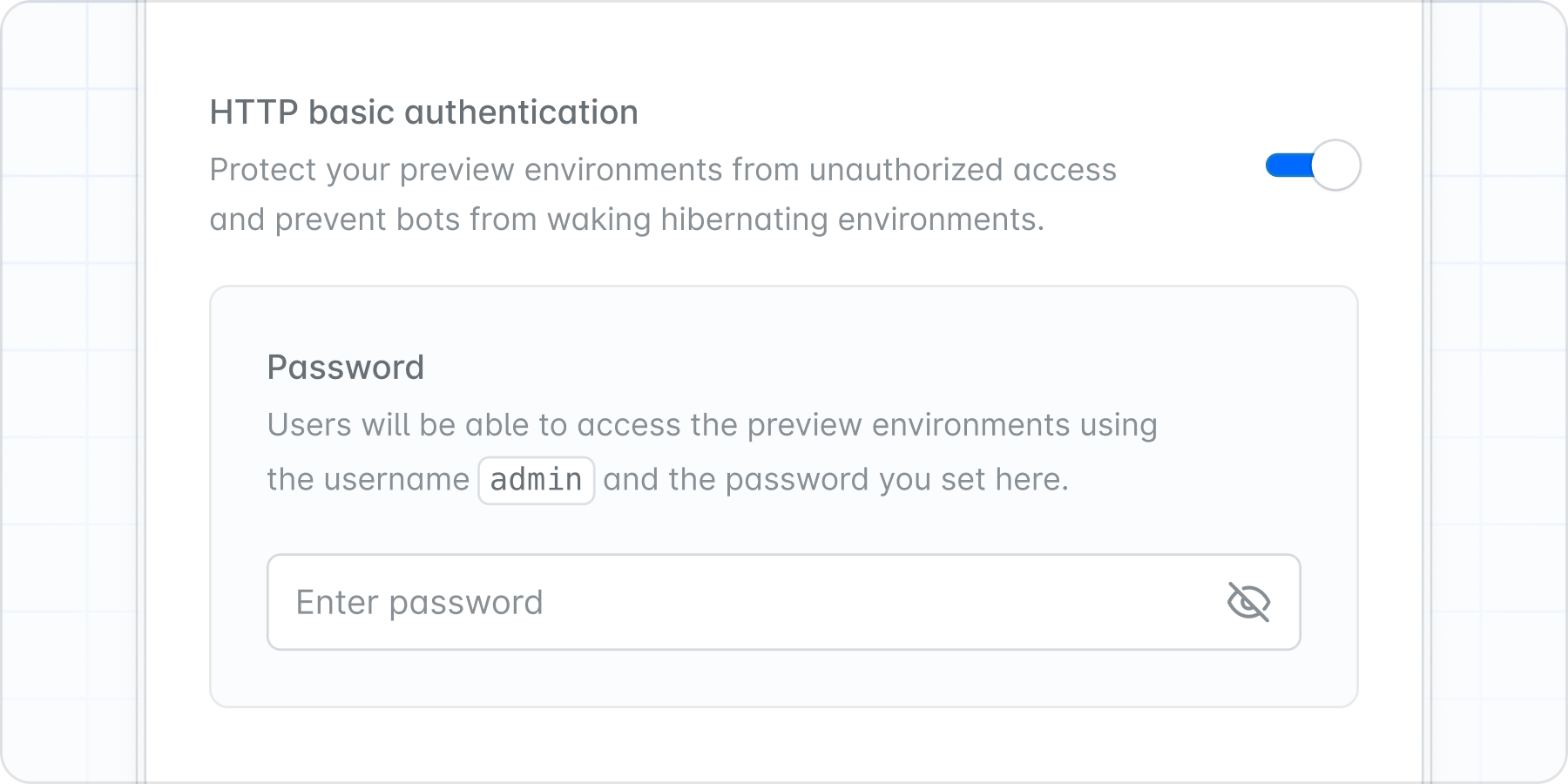
admin and the environment password before traffic reaches your application.HTTP basic authentication is available on the Growth plan or higher. It can help prevent unauthorized visitors or automated bots from waking hibernating environments.Read the environment documentation to learn more.Roles & permissions
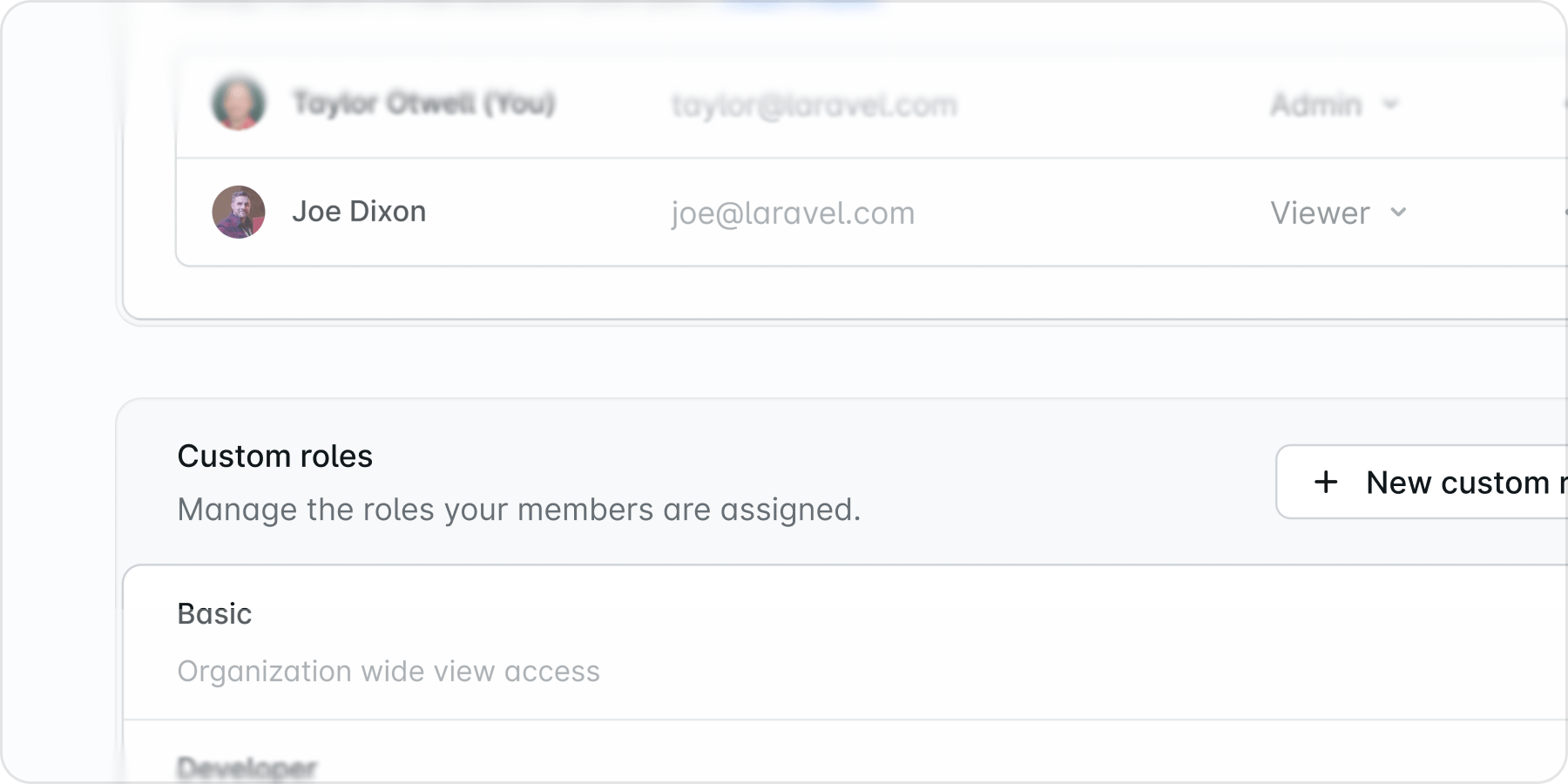
Dedicated Edge Network enhancements
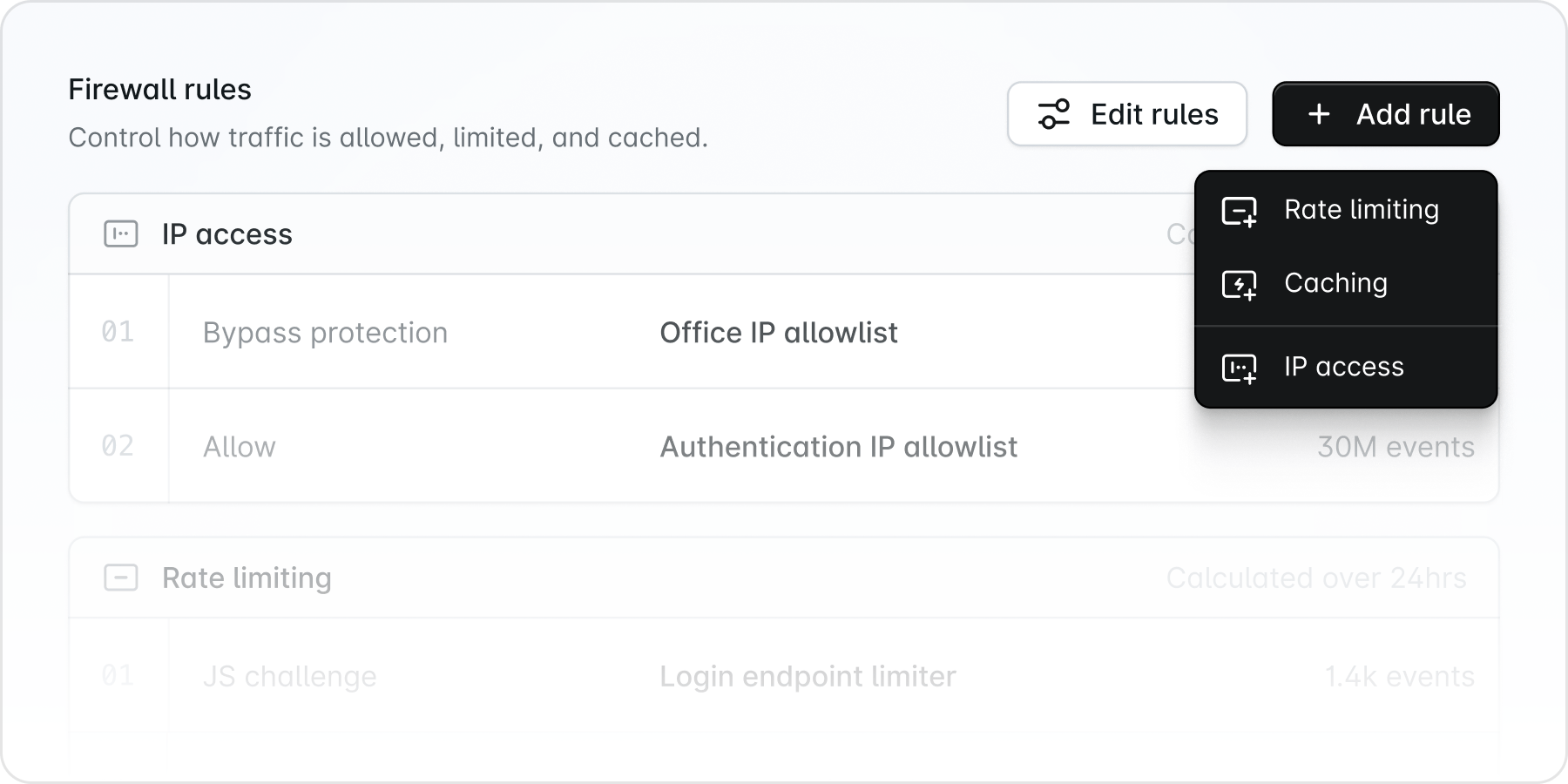
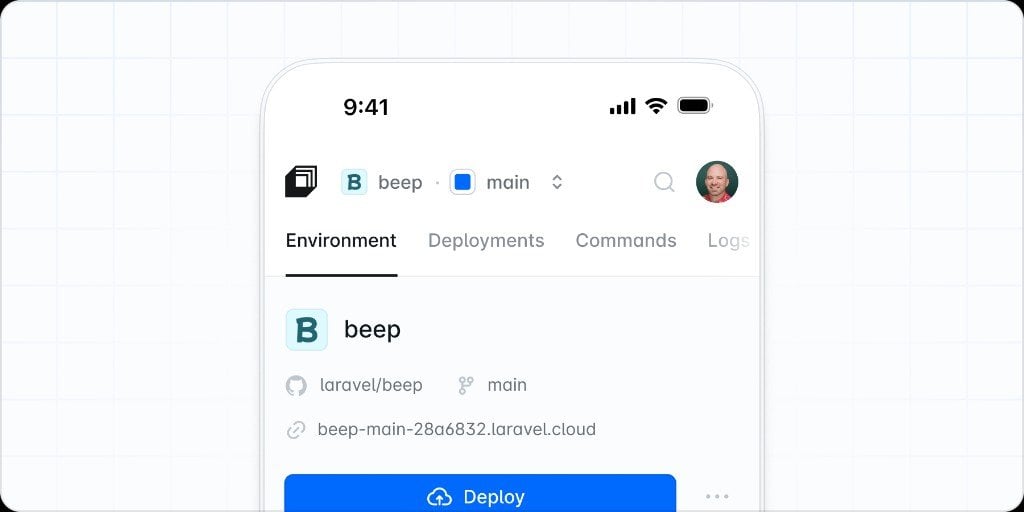
Mobile Cloud is here
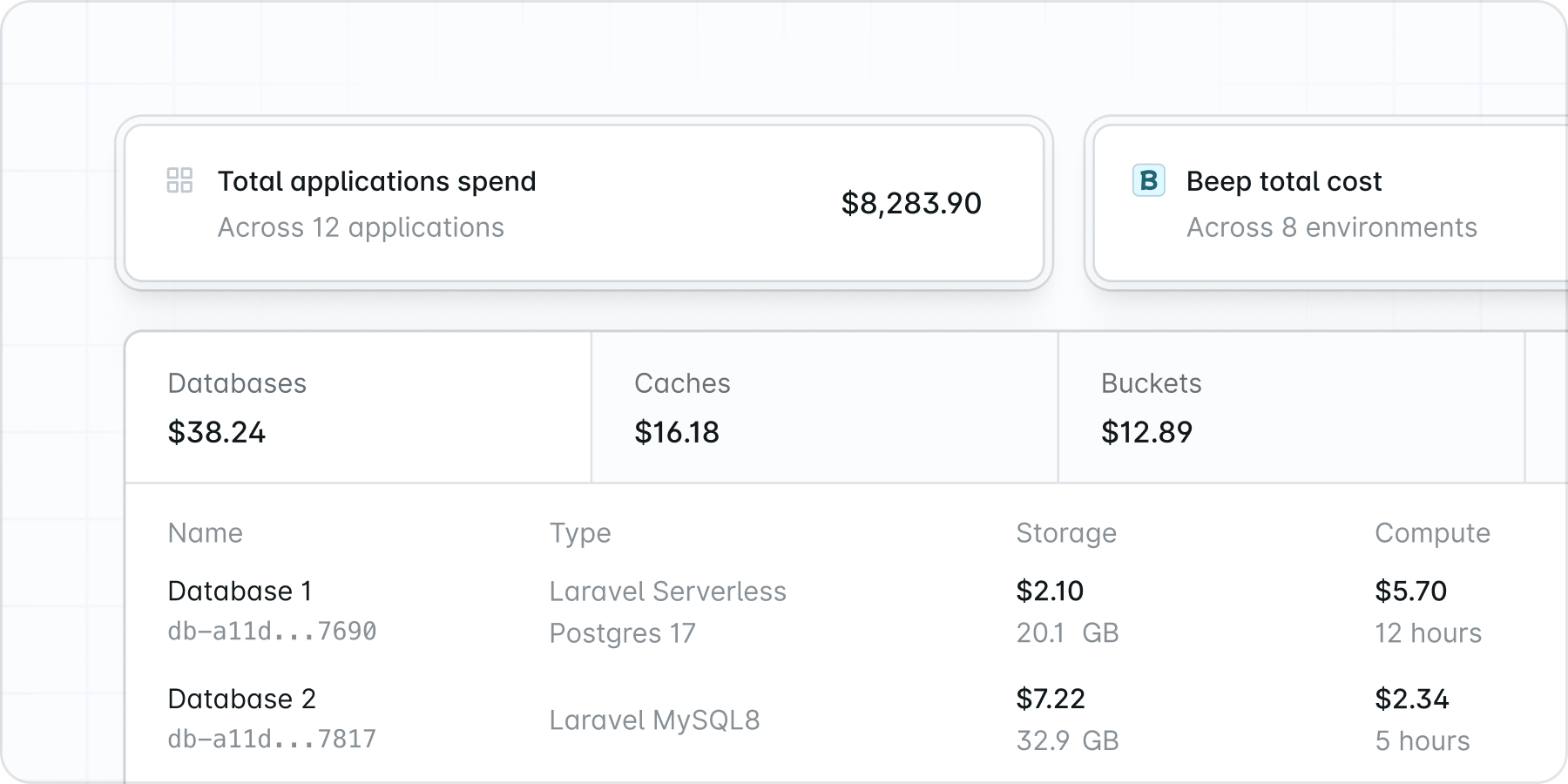
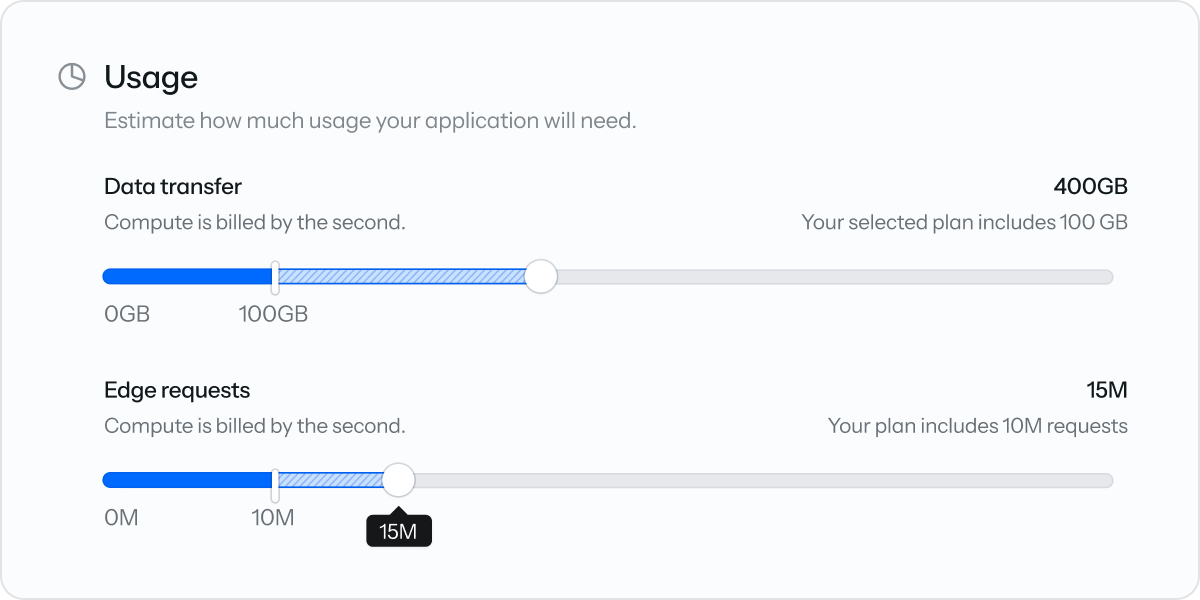
Redesigned Usage page
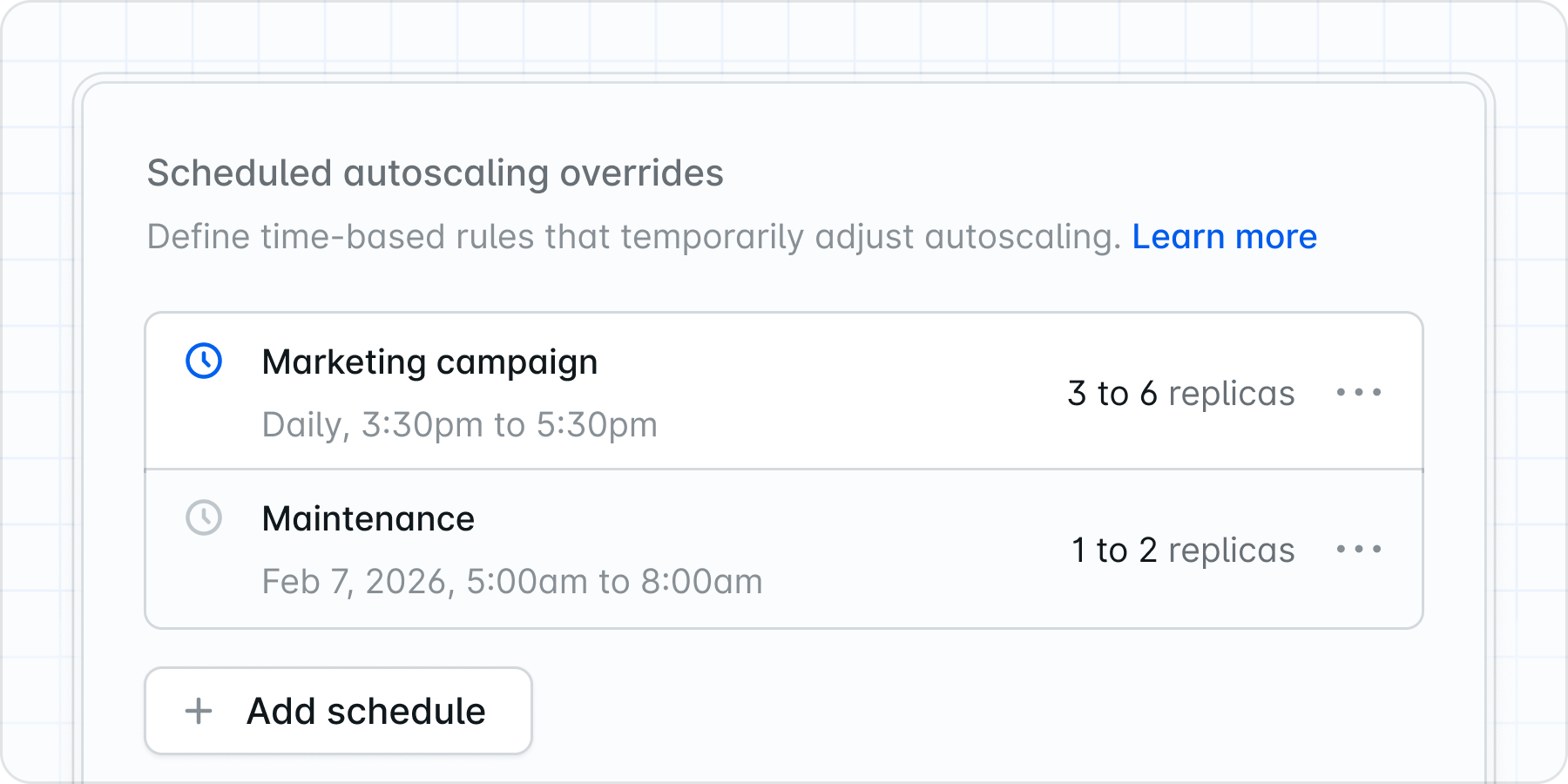
Scheduled autoscaling
Sign in with GitHub
Try Laravel Cloud for free

Same Git account, multiple organizations and users
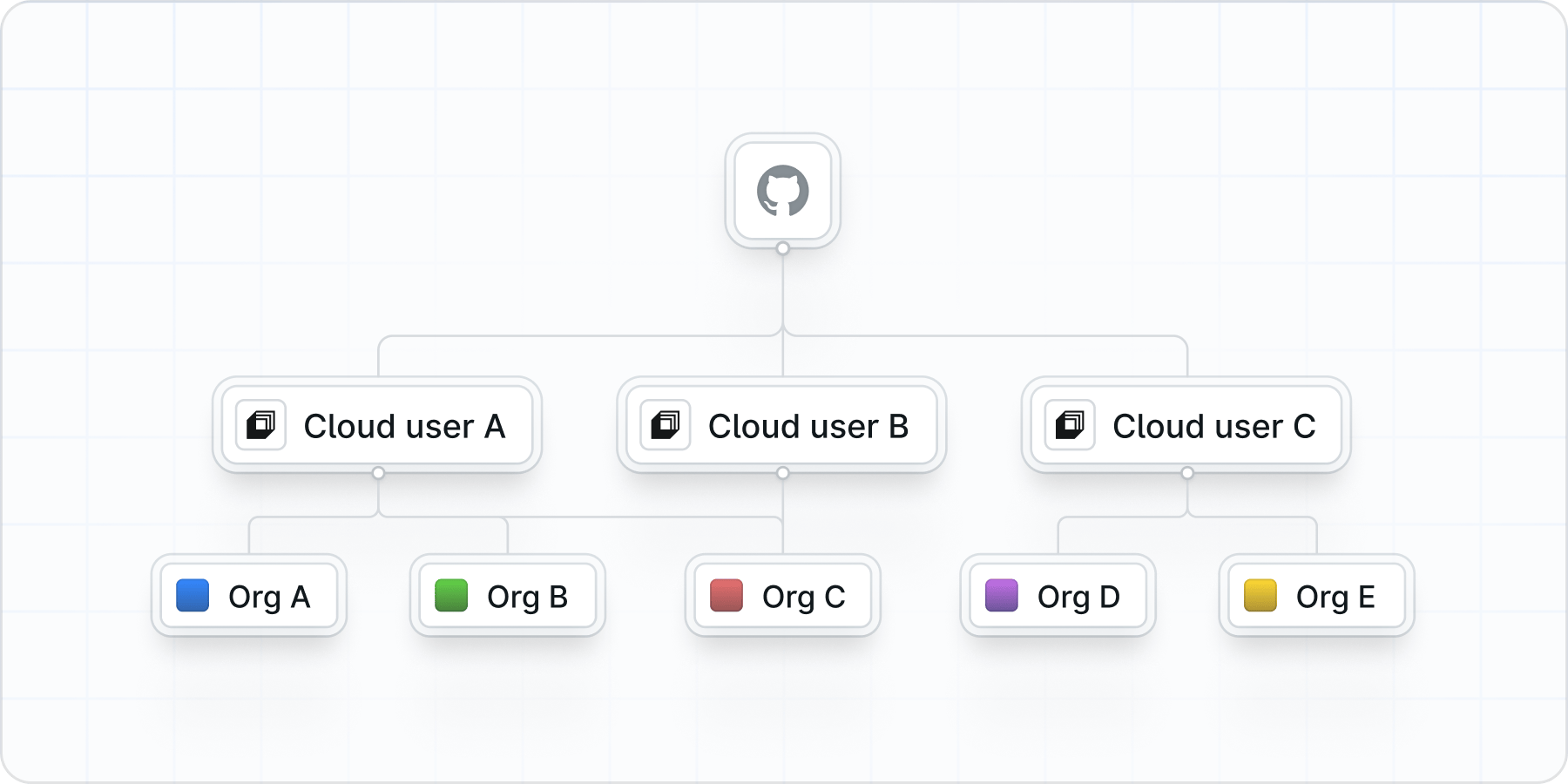
- One user, many orgs. Connect once and use your Git account across every organization you belong to.
- One Git account, many Cloud users. Connect the same Git provider account, such as your personal GitHub, to multiple Cloud user accounts. Each Cloud account and org stays separate, but they can all use the same Git source.
Laravel Cloud API: programmable infra for teams and AI agents
New CLI: deploy and manage from your terminal
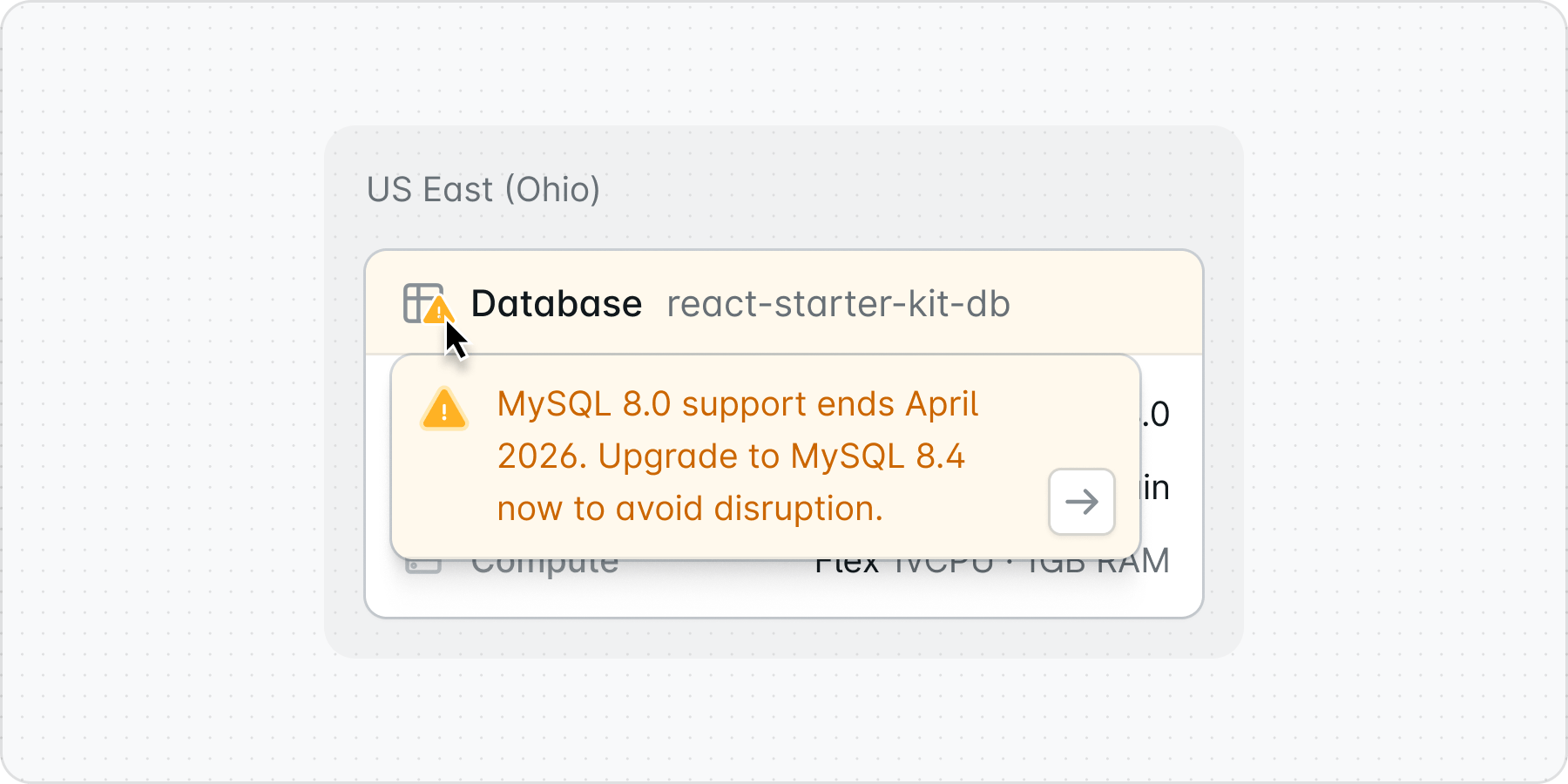
MySQL 8.0 end of life: upgrade to 8.4
Cloud API expanded: databases, caches, buckets, and WebSockets

Valkey now generally available
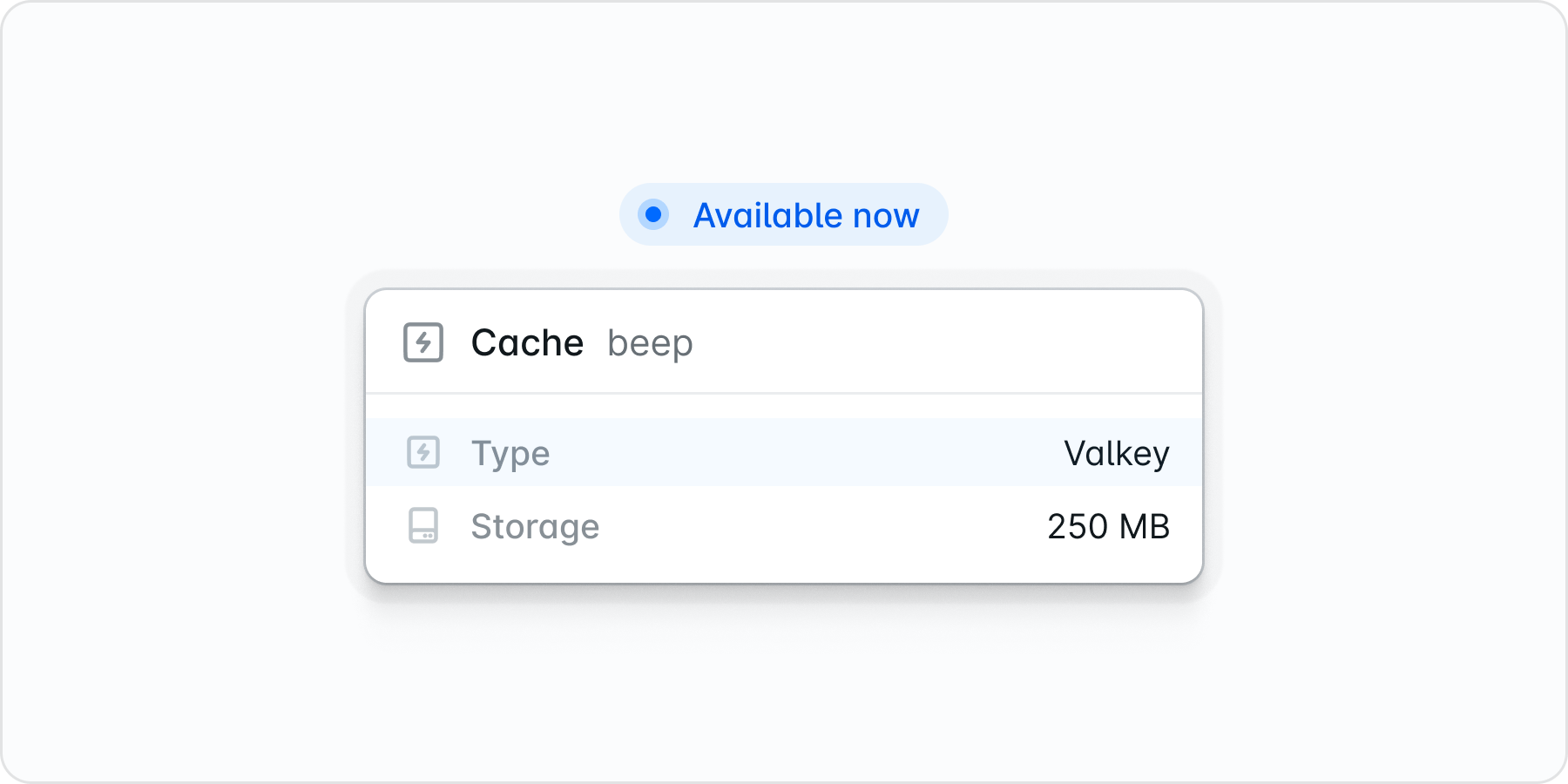
- Our benchmarks show Laravel Valkey delivers 20-50% lower latency than similar competitor offerings.
- We’ve included a generous request size limit that is 5x to 20x larger than industry standards for the same price point as other providers.
Private Cloud now available
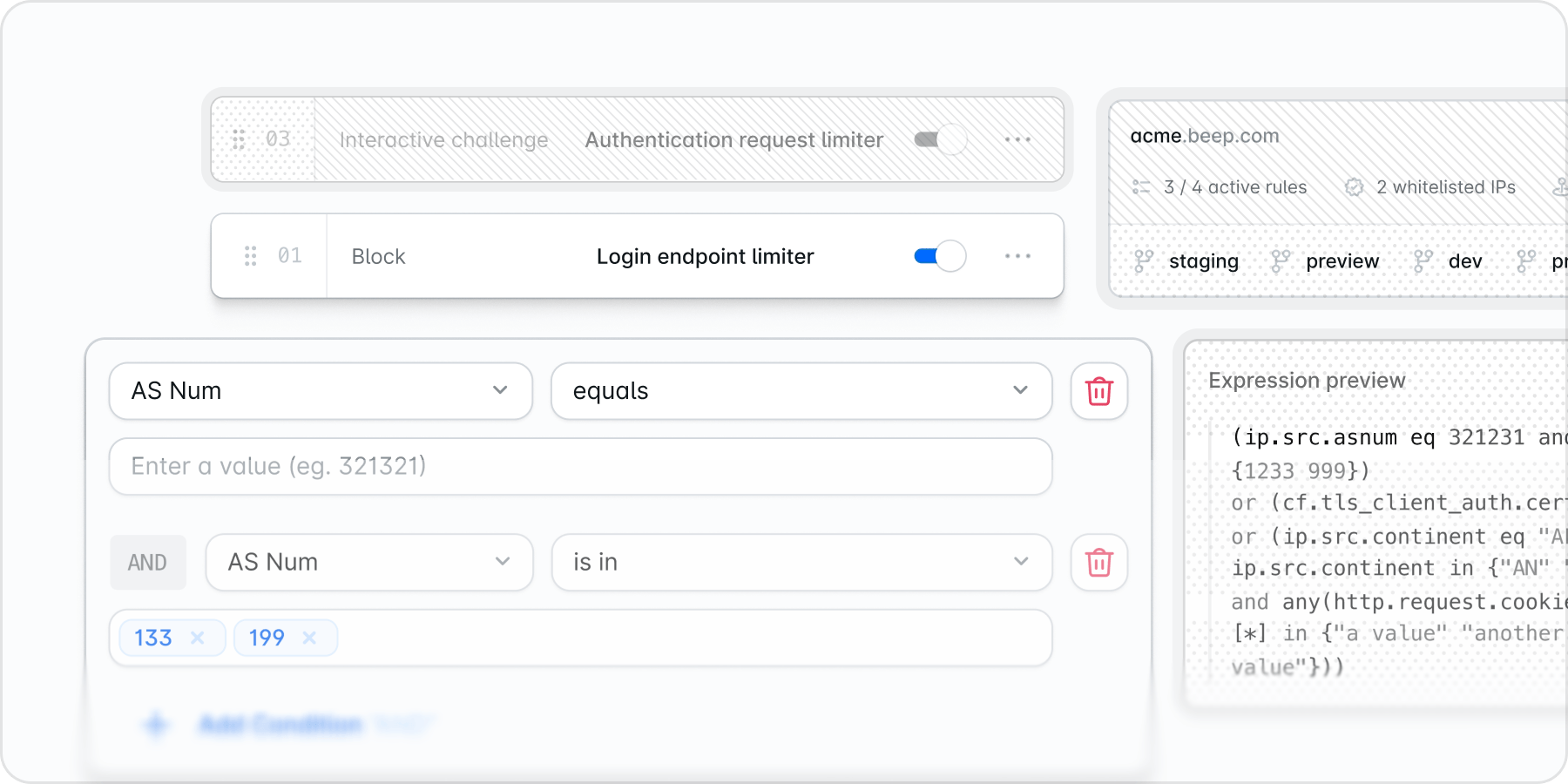
- Dedicated infrastructure. Isolated compute and networking with predictable performance.
- Private networking. Connect to AWS services privately with reduced latency.
- Dedicated outbound IPs. Customer-specific IPs for allowlisting and compliance.
- High availability. Three nodes across availability zones with automatic failover.
- Built for compliance. SOC 2 Type II certified, designed for HIPAA and PCI-DSS.
- Fully managed. Laravel handles operations so you can focus on your product.
New: billing alerts
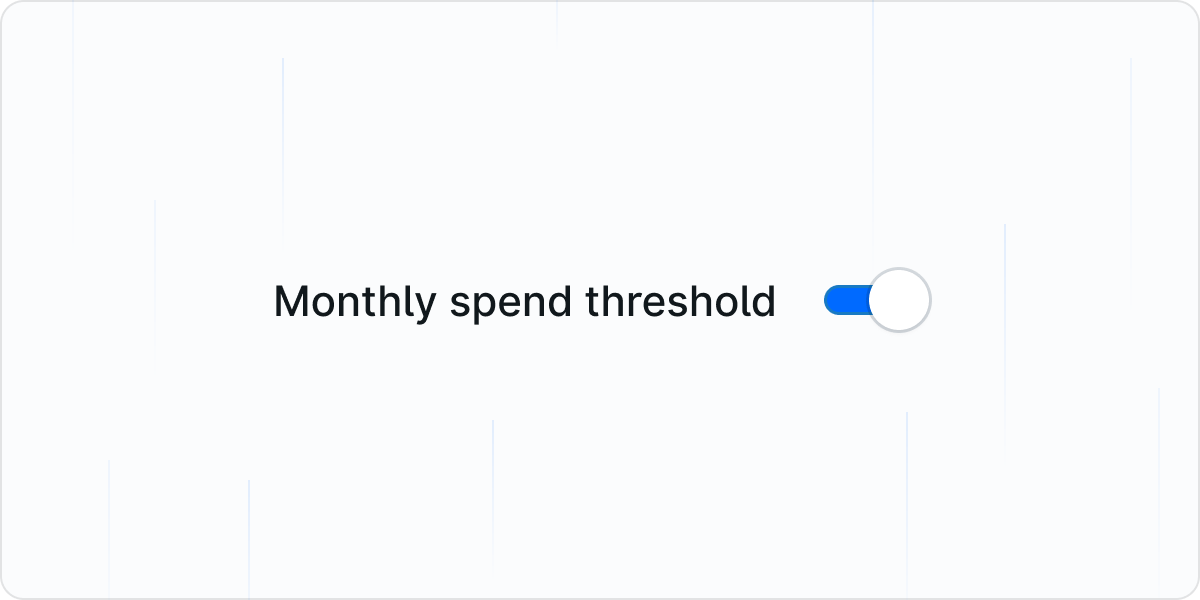
Laravel Reverb-powered WebSocket is now generally available
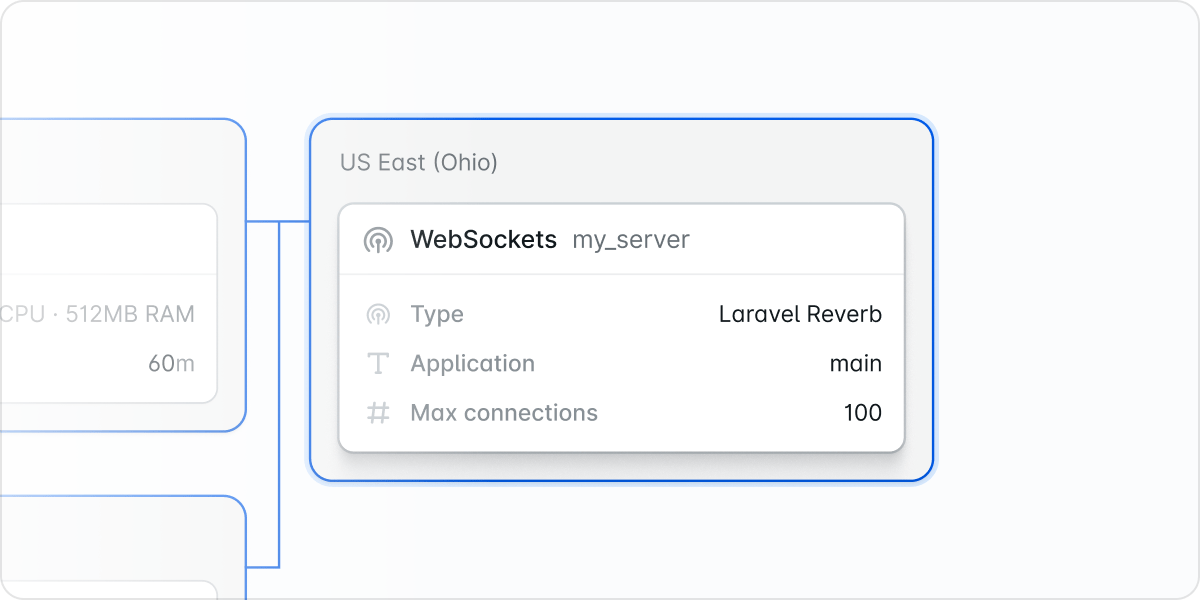
Valkey now available in developer preview

Introducing the Canada region

gRPC extension now available

Laravel Cloud API is now early access
New region: hello, Ireland

Laravel Reverb-powered WebSocket clusters
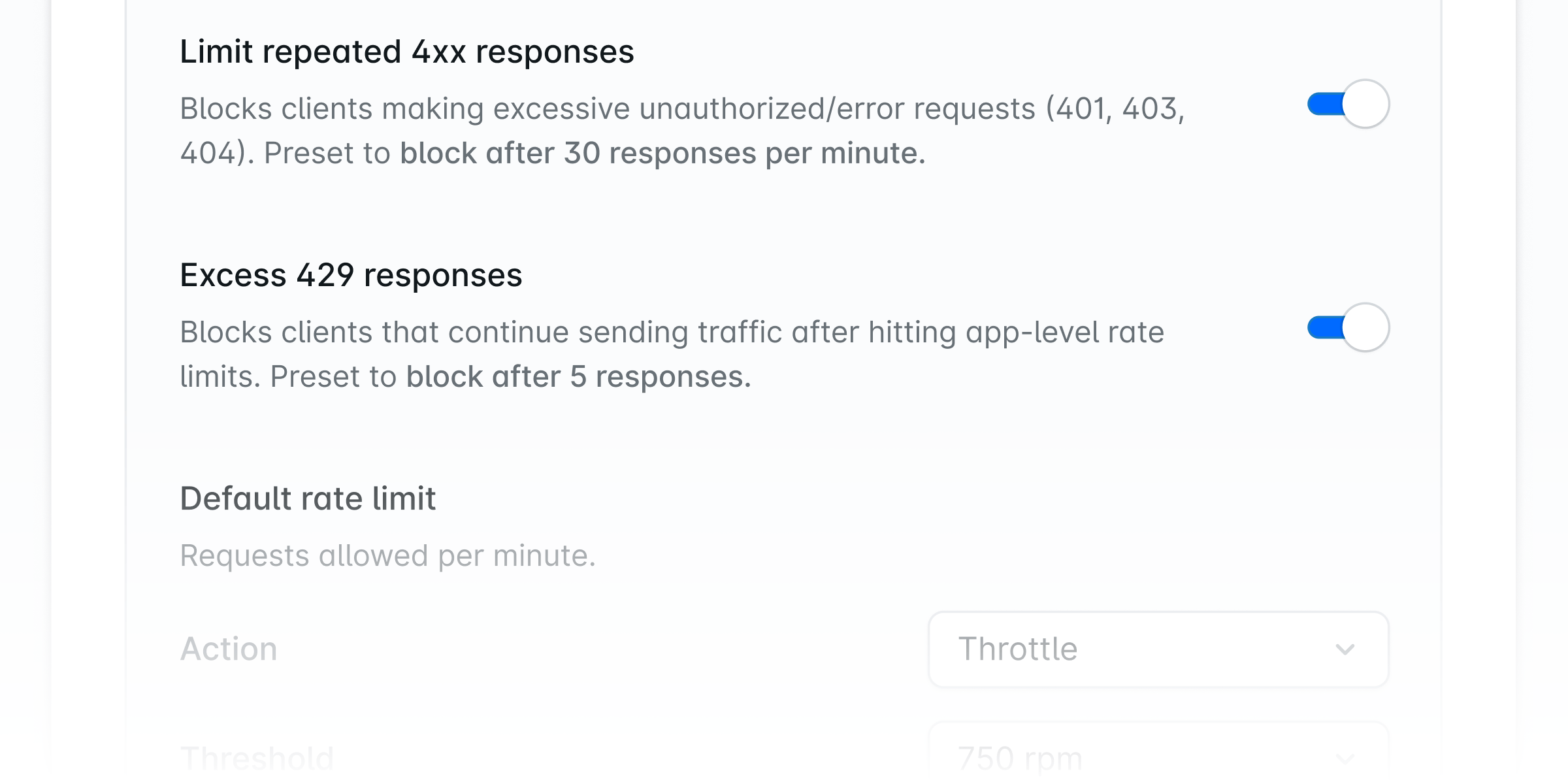
Advanced rate limit rules now available for Business plan
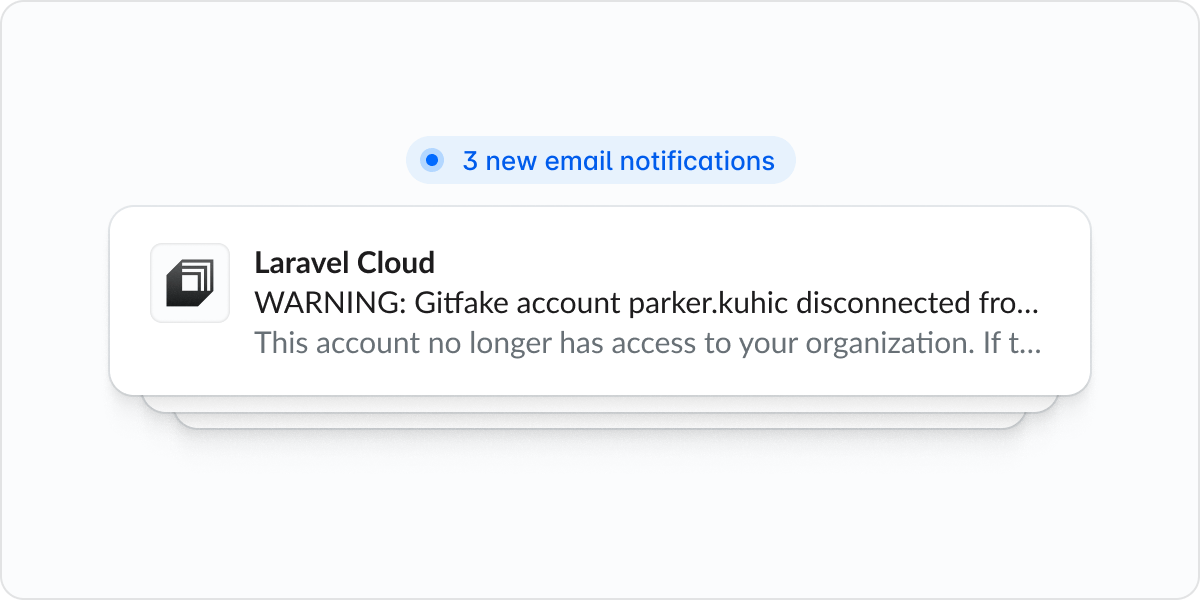
Set up email notifications in Laravel Cloud
New region: welcome, Virginia

Laravel Valkey is now early access
Coming soon to Laravel Cloud
The Laravel Cloud team has a number of features launching this fall. Keep an eye out for Reverb, the Cloud API, a new region in Ireland (eu-west-1), and an Advanced Web Application Firewall.New pricing

Smart autoscaling with queue clusters
Laravel Cloud is now SOC2 compliant

New region: welcome, Sydney!

MySQL is production ready
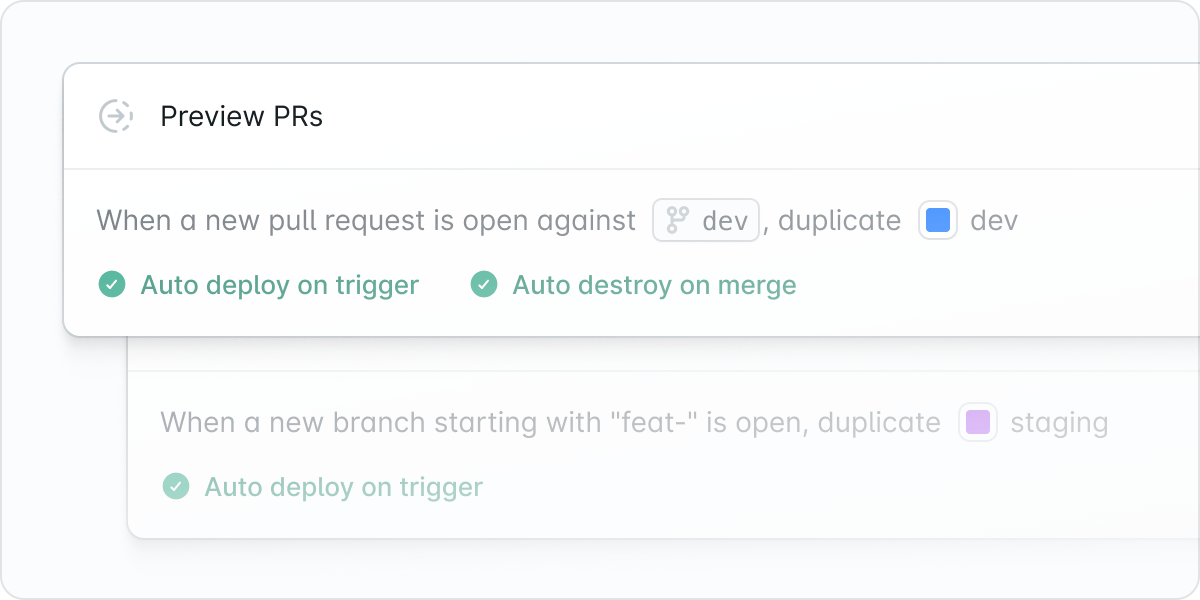
Automated preview environments
Ship faster with the new starter kits
One-click Nightwatch integration
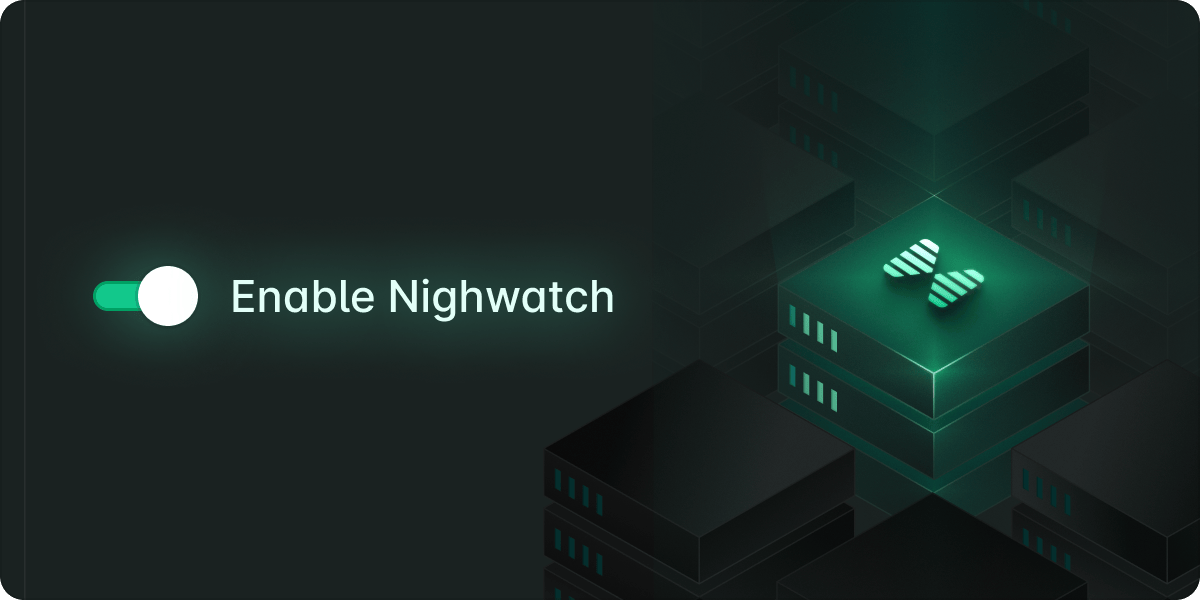
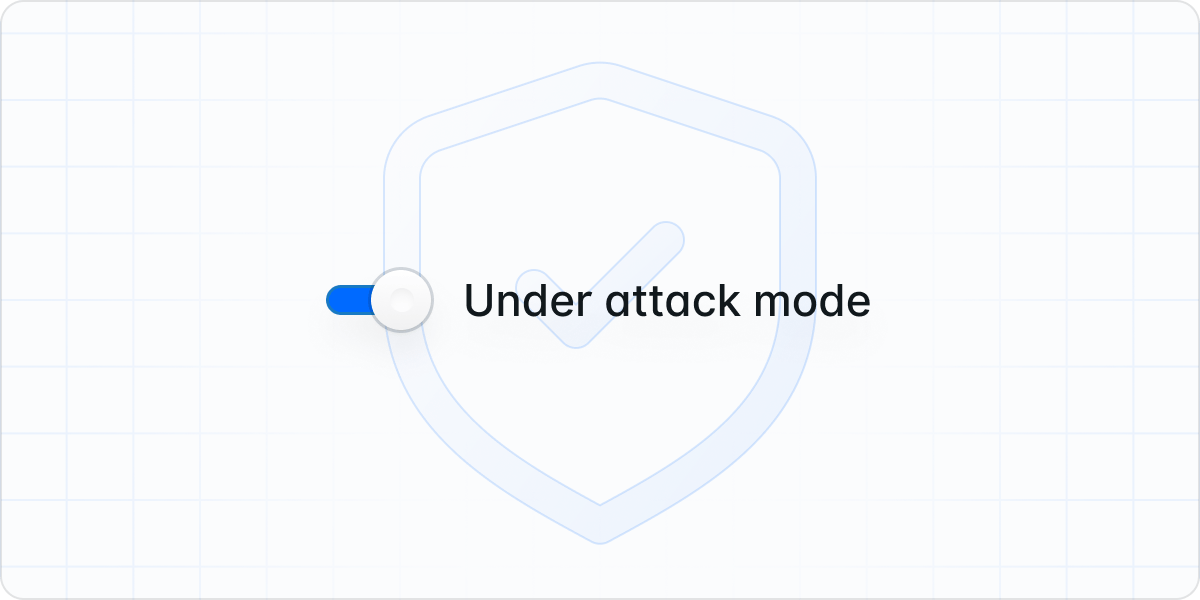
.env settings so you can get up and running (or edit your sampling threshold) faster.Start monitoring with NightwatchUnder Attack Mode
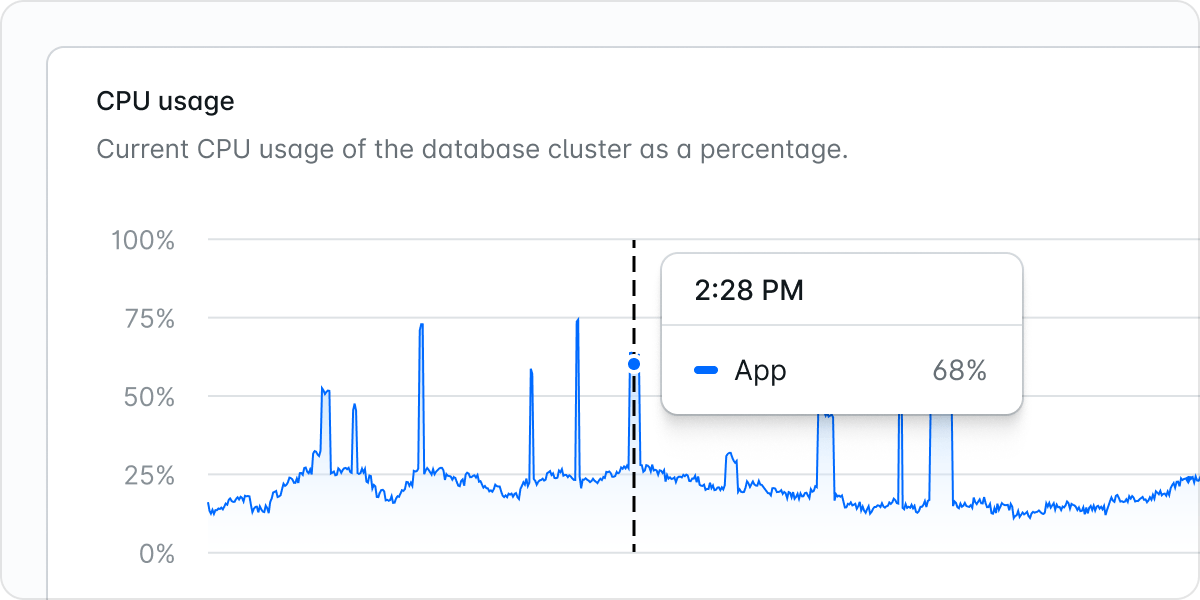
Improved metrics and charts
MySQL metrics land as GA nears
You can now view real-time CPU, memory, and storage metrics for your MySQL databases. Go to your environment, click Resources, and then click the Cluster card to see all metrics. These metrics give you a fuller picture of database performance. They’re one of several steps we’re taking as we move closer to MySQL’s general availability.Check your MySQL database performanceVisualize replica count
You can now view a replica count chart in your environment’s Metrics tab that shows exactly when autoscaling occurs in your Laravel Cloud applications. The step chart shows how each of your App and Worker clusters scales from one to multiple replicas. You can also see when your application scaled to zero and stopped incurring compute usage costs, either because you stopped it manually or because it hibernated automatically. Automatic hibernation requires Hibernation to be toggled on. The chart gives you clearer performance and billing insights for each of your Cloud environments.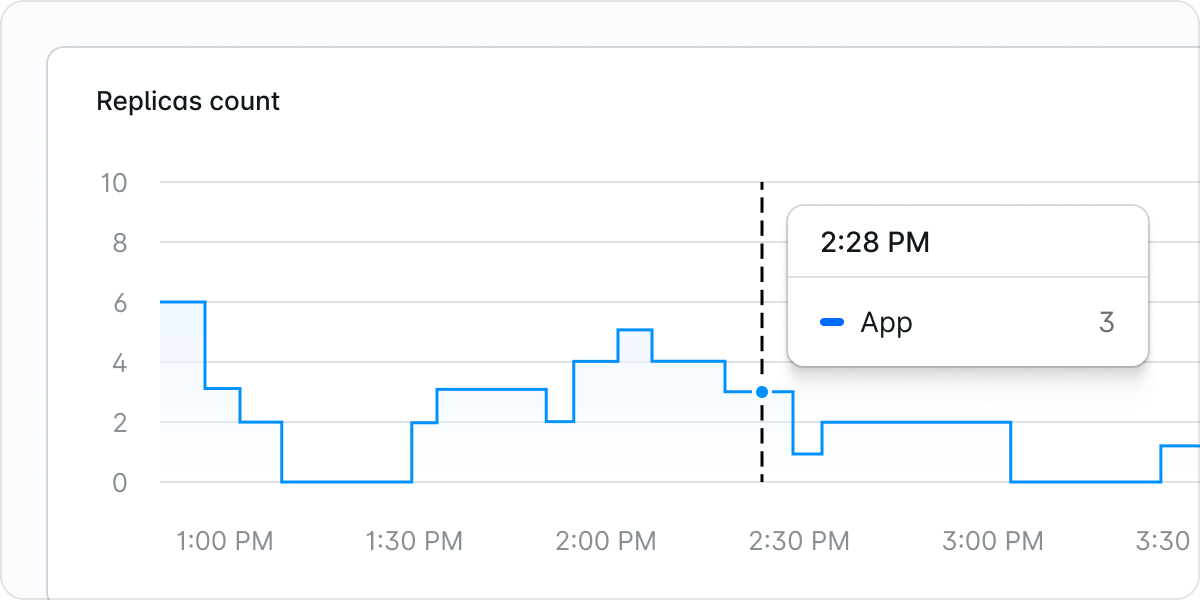
More flexible caching
You can now configure Laravel Cloud’s Redis-compatible key-value stores to scale up automatically when they reach usage limits. Hard limits could lead to downtime and require manual intervention. Now caches can upsize with zero downtime as they approach monthly data transfer or usage thresholds, such as simultaneous connections, commands per second, record size, and request size. To opt in to auto-upsizing, toggle on the Automatically Upgrade option of your new or existing Laravel Cloud caches.
Slack alerts
Slack notifications now include a new Resource Alerts category for critical runtime issues. You’ll receive real-time alerts when CPU, RAM, or disk usage nears its limit or when your compute crashes, so you can find and respond to issues fast. To be the first to know when your applications are at risk of downtime or performance degradation, set up Slack notifications in Laravel Cloud and opt in to Resource Alerts.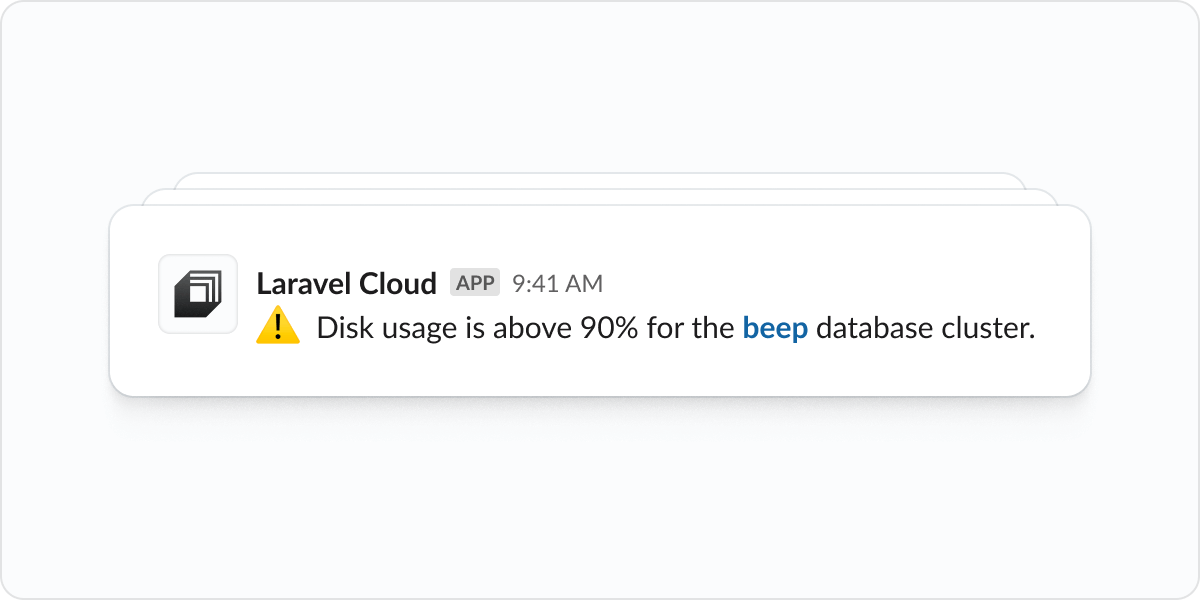
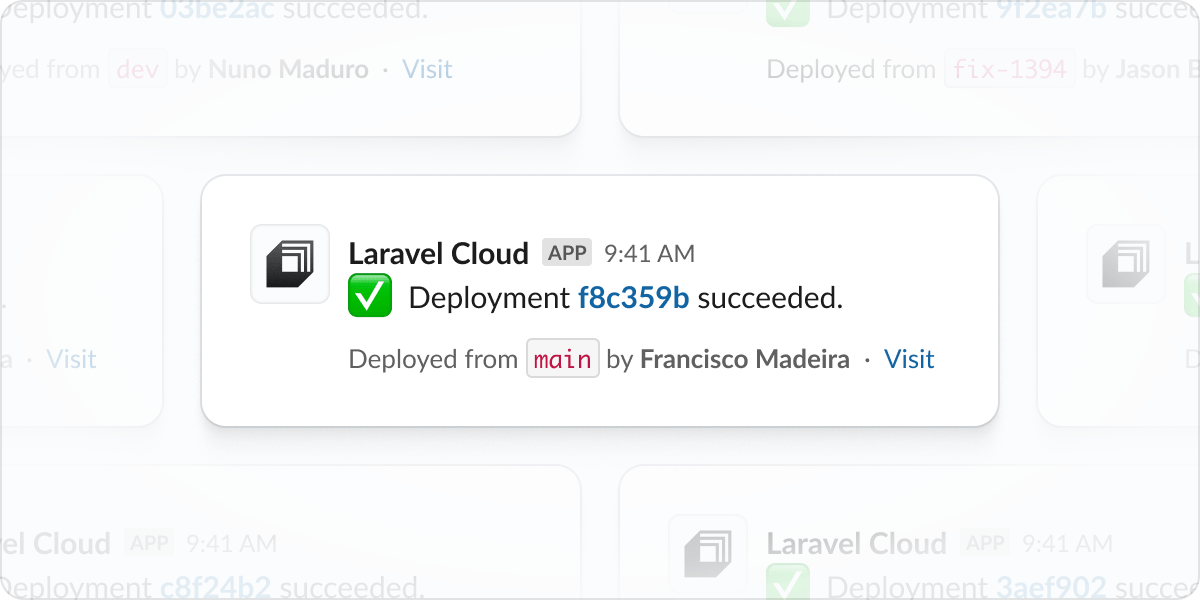
Slack notifications
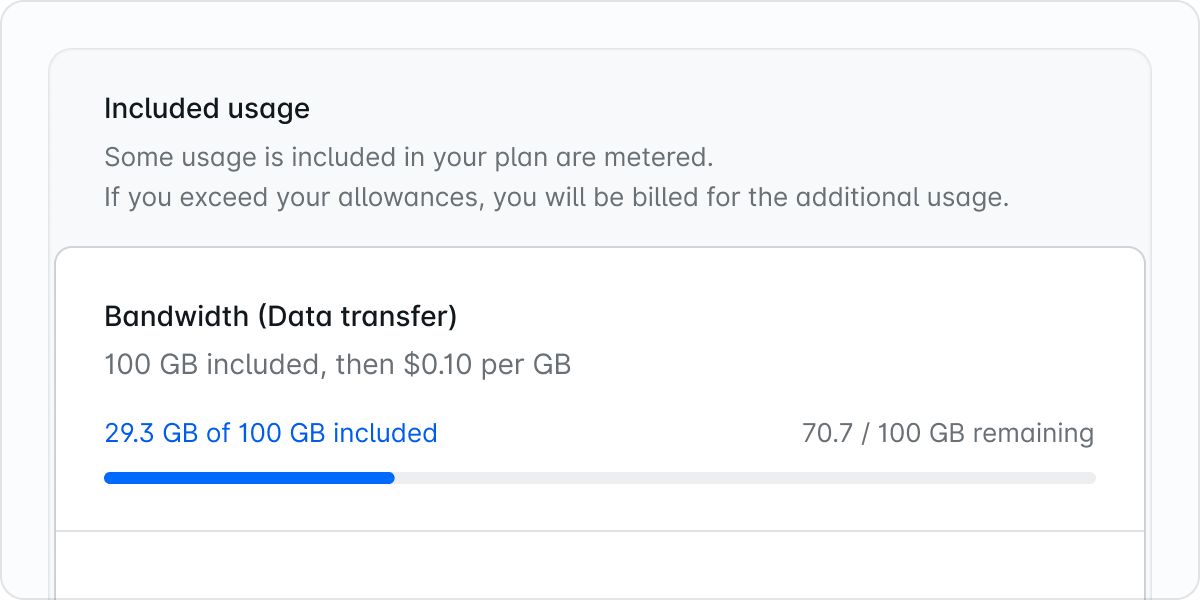
Improved Usage page
Pricing calculator
Greater cache & response header control
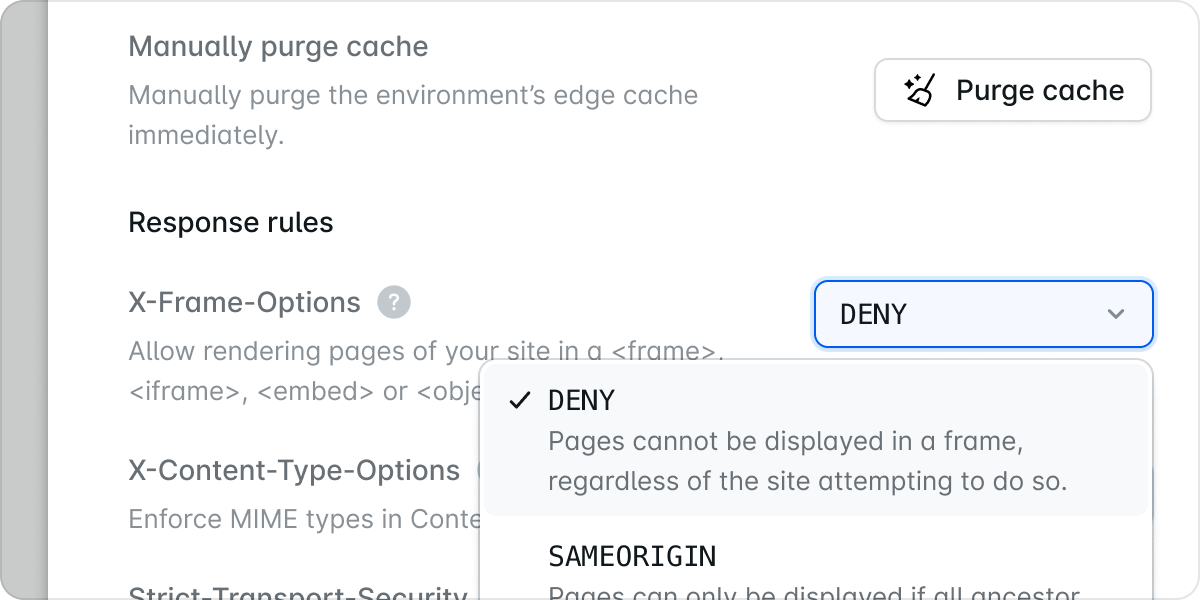
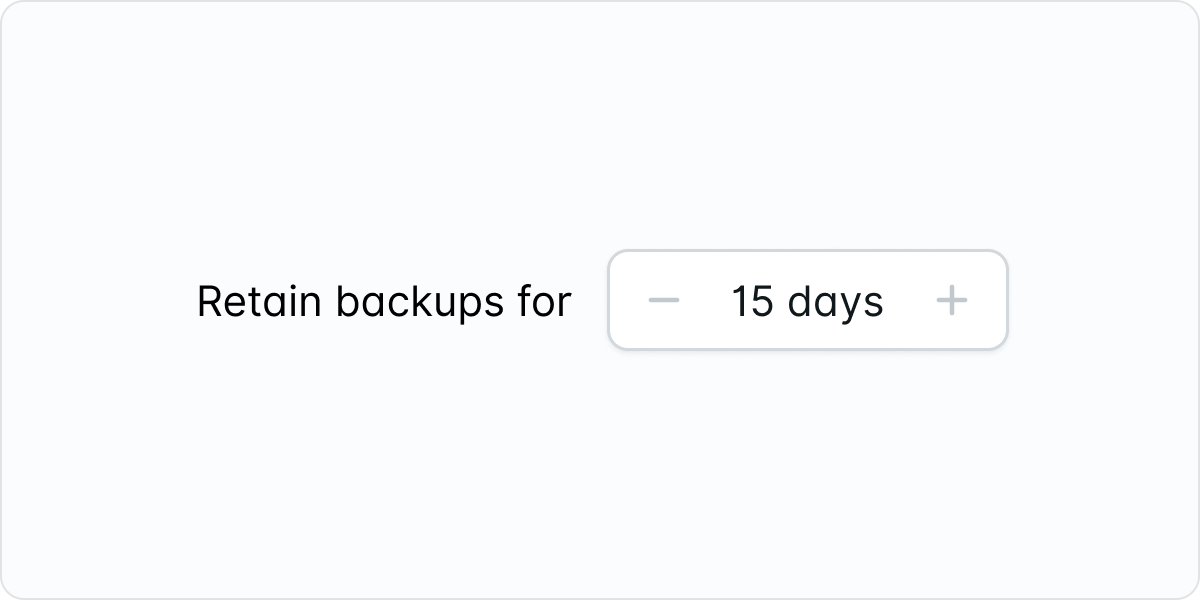
Cache-Control and Expires headers your application sets. You can choose when to purge your Edge Network cache, either manually or automatically on each new deploy. You can also bypass the cache entirely. Finally, you can override certain response headers like X-Frame-Options, X-Content-Type-Options, and Strict-Transport-Security directly in the Cloud environment canvas. Learn moreFlexible backup retention window
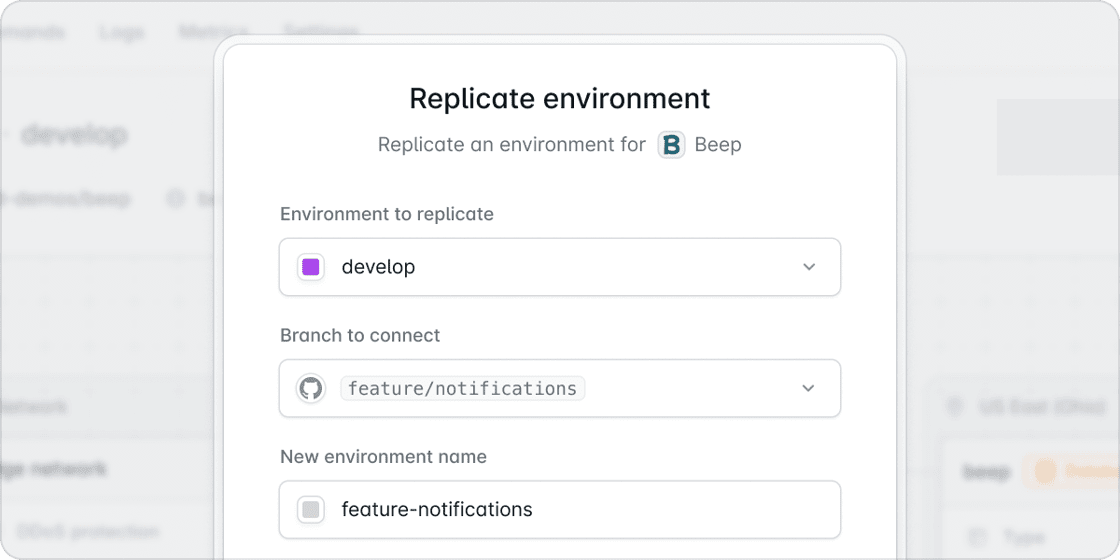
Replicate environments
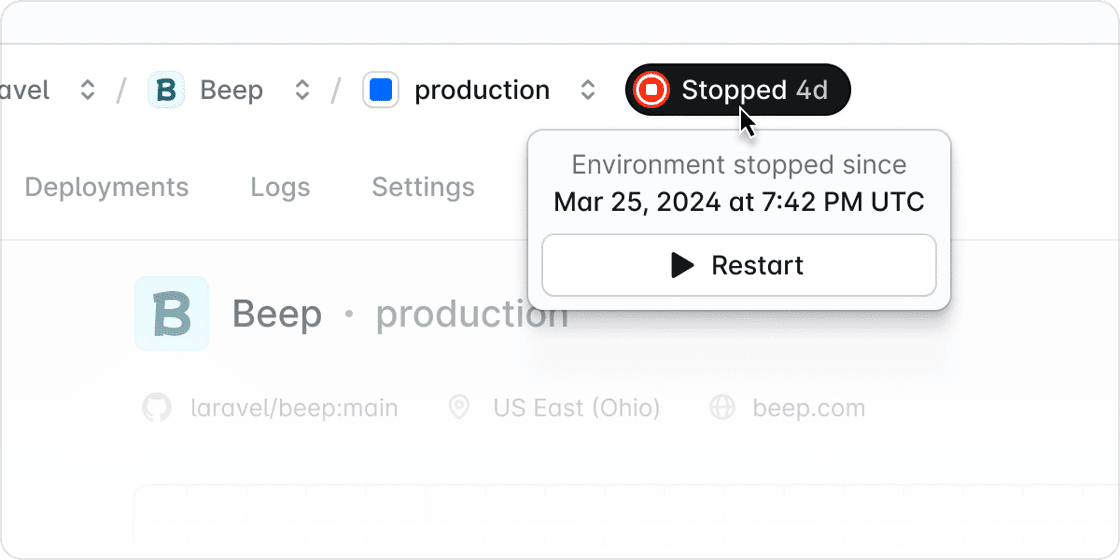
Stop and restart environments
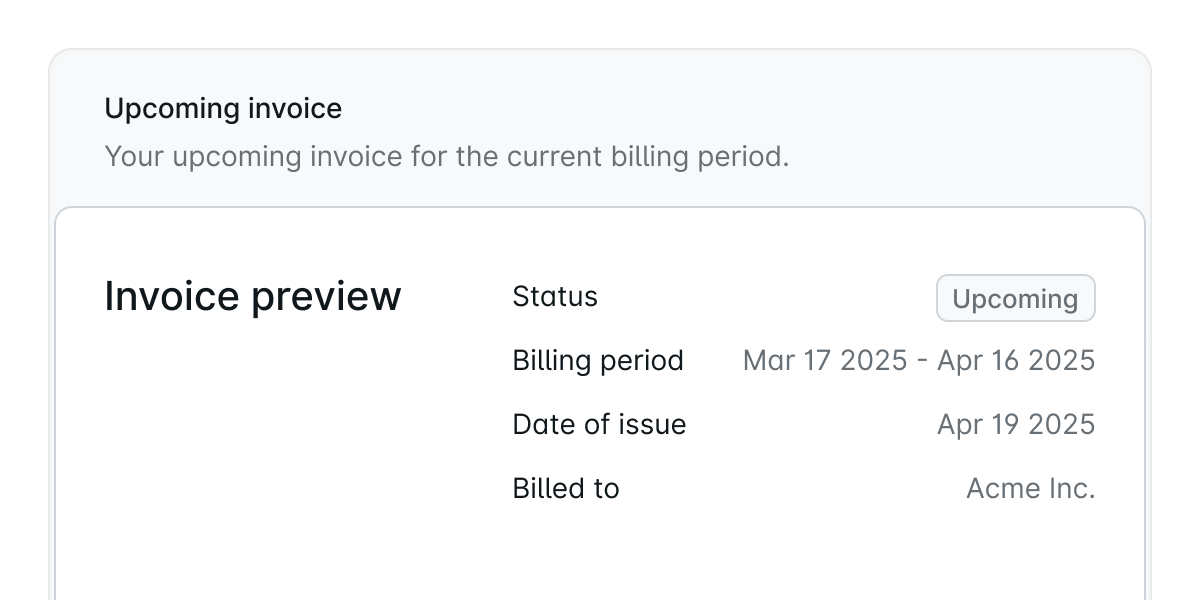
Invoice previews
Inertia SSR
Repository connection management
A disconnected repo no longer leaves you hanging. You can now edit which repository is connected to your application. You can now recover when a repository is deleted or access is revoked. After updating your repository, you can reconnect each environment to the appropriate branch, preserving all your settings and attached resources. Learn moreLaunched Laravel Cloud!